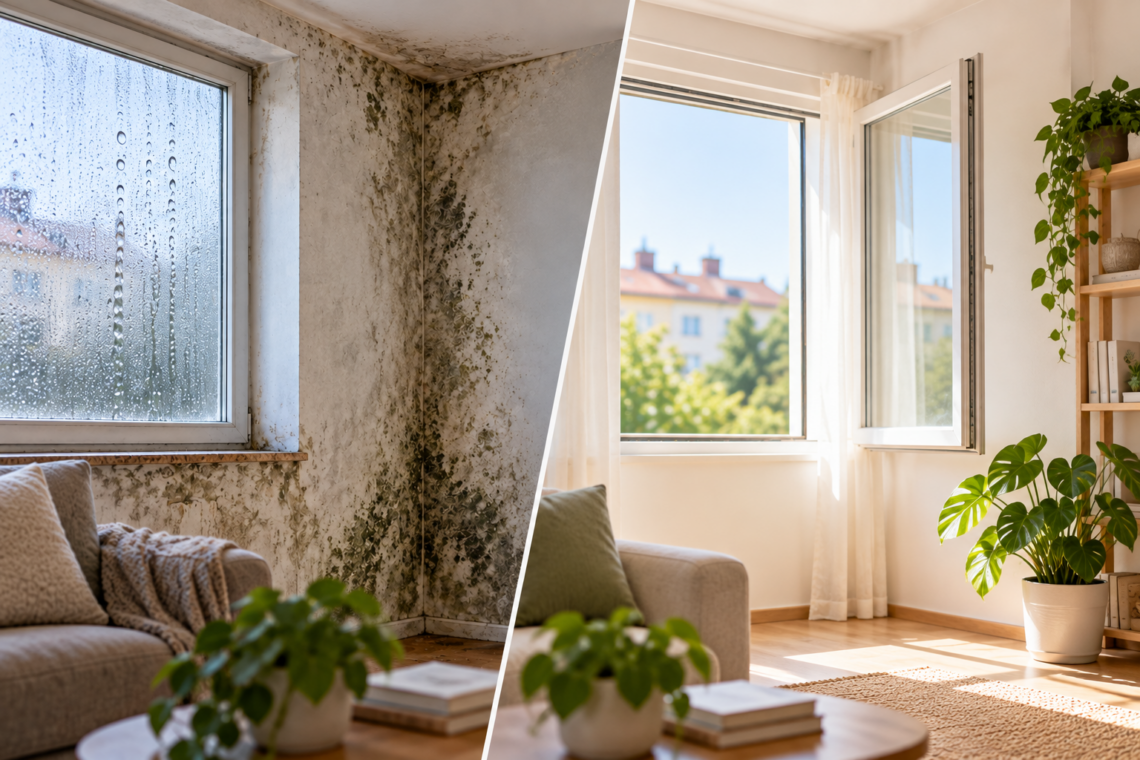
Damp in a rental apartment is an issue that should be addressed as soon as possible. As well as causing stains, unpleasant odours and condensation on windows, excess moisture over time can damage walls, ceilings, furniture and other parts of the property.
For landlords, preventing these issues is particularly important. A well-ventilated and properly maintained apartment not only stays in better condition, but also provides tenants with a more comfortable living environment and helps prevent costly repairs in the future.
In this guide, we explain how to reduce damp in a rental apartment, explore the most common causes and share practical steps you can take to prevent it.
Article Contents
- 1. Identify the source of the damp
- 2. Ventilate the apartment every day
- 3. Pay particular attention to the bathroom and kitchen
- 4. Maintain a stable indoor temperature
- 5. Avoid drying too much laundry indoors
- 6. Leave space between furniture and walls
- 7. Use a dehumidifier when necessary
- 8. Check windows, walls and seals
- 9. Act quickly at the first signs of mould
- 10. Carry out regular checks between rentals
- What should you do if damp has already appeared?
- Preventing damp also helps protect your investment
- Leave the management of your apartment to professionals
1. Identify the source of the damp
Before looking for a solution, it is important to determine what is causing the damp. Not all damp problems have the same cause and, therefore, they do not all require the same treatment.
Some of the most common causes include:
- Condensation: occurs when water vapour in the air comes into contact with cold surfaces, such as windows or walls.
- Water ingress: can occur due to problems with façades, roofs, terraces, windows or building installations.
- Water leaks: a damaged pipe or faulty plumbing can cause damp, even if the leak is only minor.
- Rising damp: mainly affects ground-floor properties and older buildings, when moisture from the ground rises through the building materials.
- Insufficient ventilation: cooking, showering, drying clothes indoors and even everyday activities can increase indoor humidity levels.
Correctly identifying the source of the problem is essential. For example, using a dehumidifier can help with occasional excess moisture in the air, but it will not solve water ingress or a leak.
2. Ventilate the apartment every day
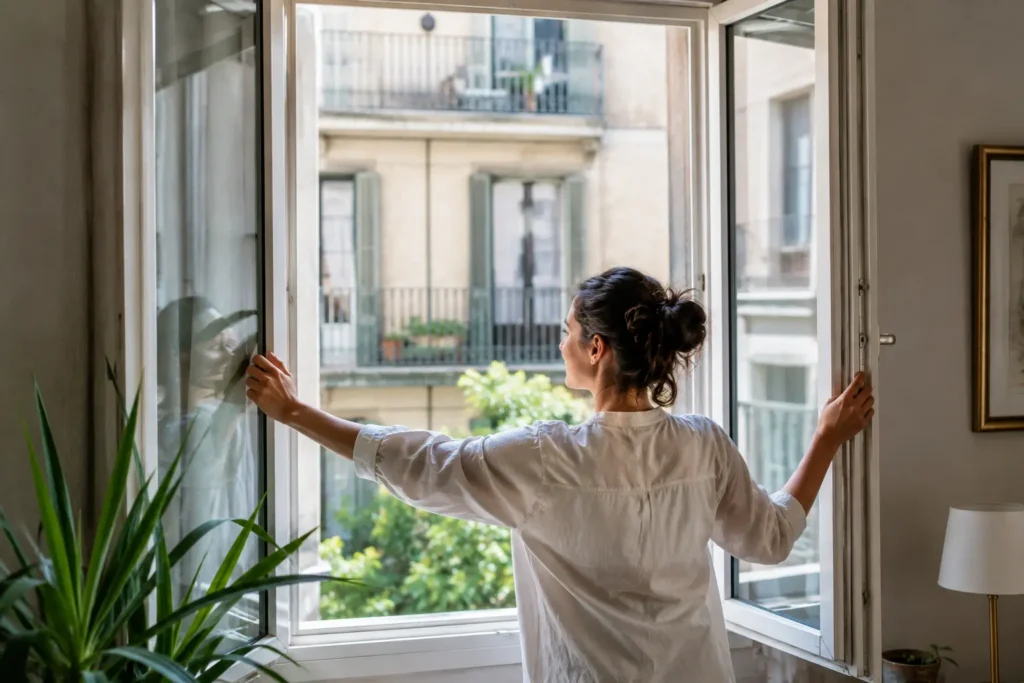
One of the simplest ways to reduce damp is to ensure the property is properly ventilated.
Opening the windows for a few minutes each day helps refresh the indoor air and release some of the accumulated moisture. Whenever possible, it is also a good idea to encourage cross-ventilation by opening windows in different areas of the property.
In a rental apartment, it is also important to make tenants aware of the need to ventilate regularly, particularly after showering, cooking or drying clothes indoors. There is no need to leave the windows open for hours. Short but regular periods of ventilation can make a significant difference in controlling indoor humidity.
3. Pay particular attention to the bathroom and kitchen
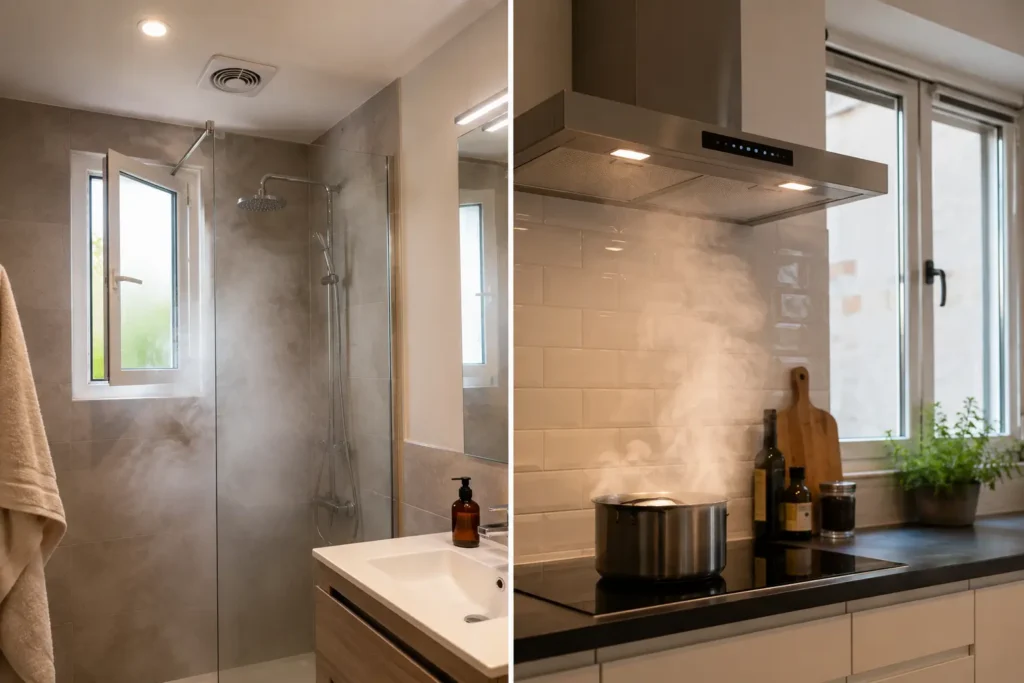
The bathroom and kitchen are two of the areas where the most water vapour is produced.
In the bathroom, it is advisable to use the extractor fan while showering and leave it running for a few minutes afterwards. If there is a window, opening it can also help refresh the air more quickly.
In the kitchen, using the extractor hood while cooking helps remove steam as well as some of the excess moisture produced.
As a landlord, it is worth regularly checking that extractor fans and ventilation systems are working properly and that vents are not blocked or excessively dirty.
4. Maintain a stable indoor temperature
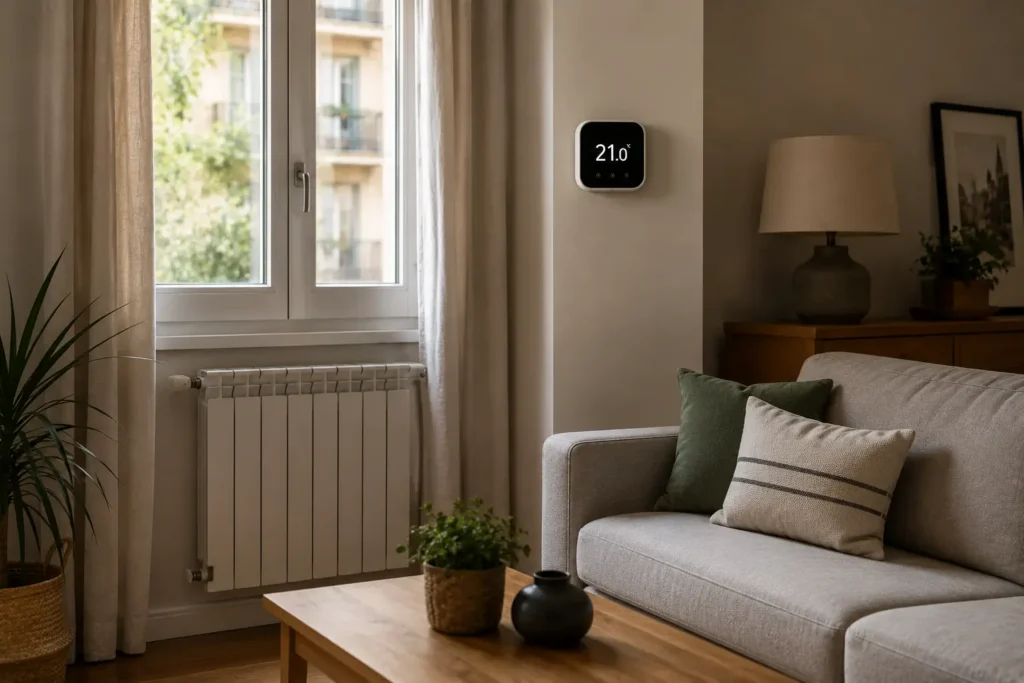
Significant changes in temperature can encourage condensation to form. When walls and windows are very cold and the indoor air contains high levels of moisture, water vapour can condense on these surfaces.
For this reason, during the colder months, it can be more effective to maintain a relatively stable indoor temperature rather than alternating between periods of high heat and periods when the property is left completely cold.
It is also important to check the insulation around doors and windows, particularly in older properties.
5. Avoid drying too much laundry indoors
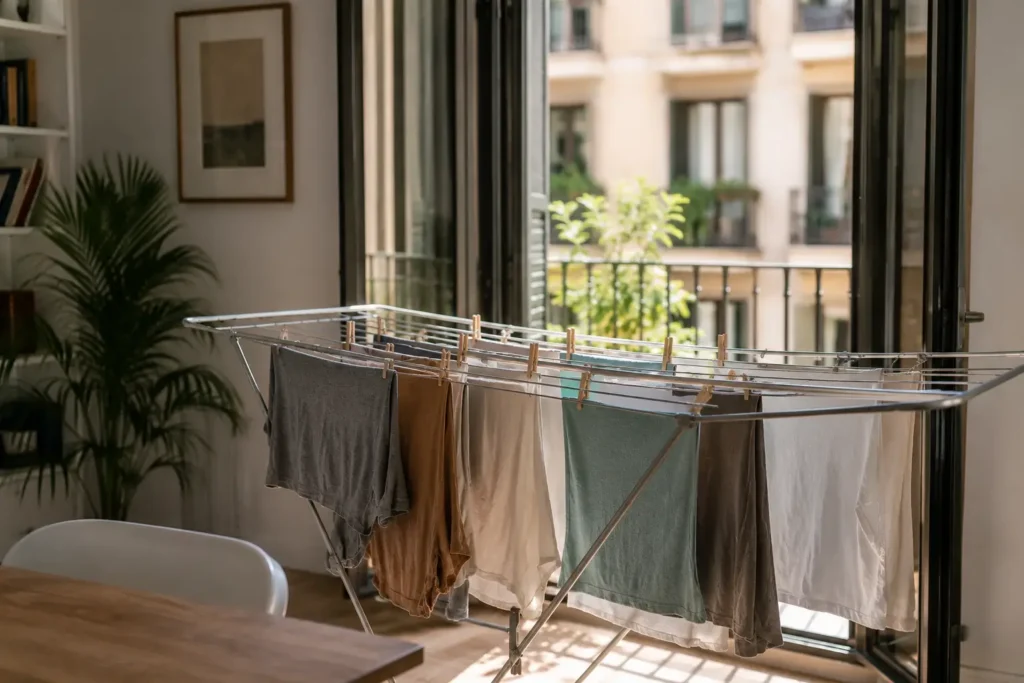
Drying wet clothes indoors can significantly increase the amount of moisture in the air. Whenever possible, it is better to use outdoor spaces, such as balconies or terraces, while always respecting the building’s community rules and any applicable regulations.
If this is not possible, clothes should be dried in a well-ventilated room or using a suitable tumble dryer.
In rental apartments, including this recommendation in the property’s use and maintenance guidelines can help prevent condensation problems during longer stays.
6. Leave space between furniture and walls
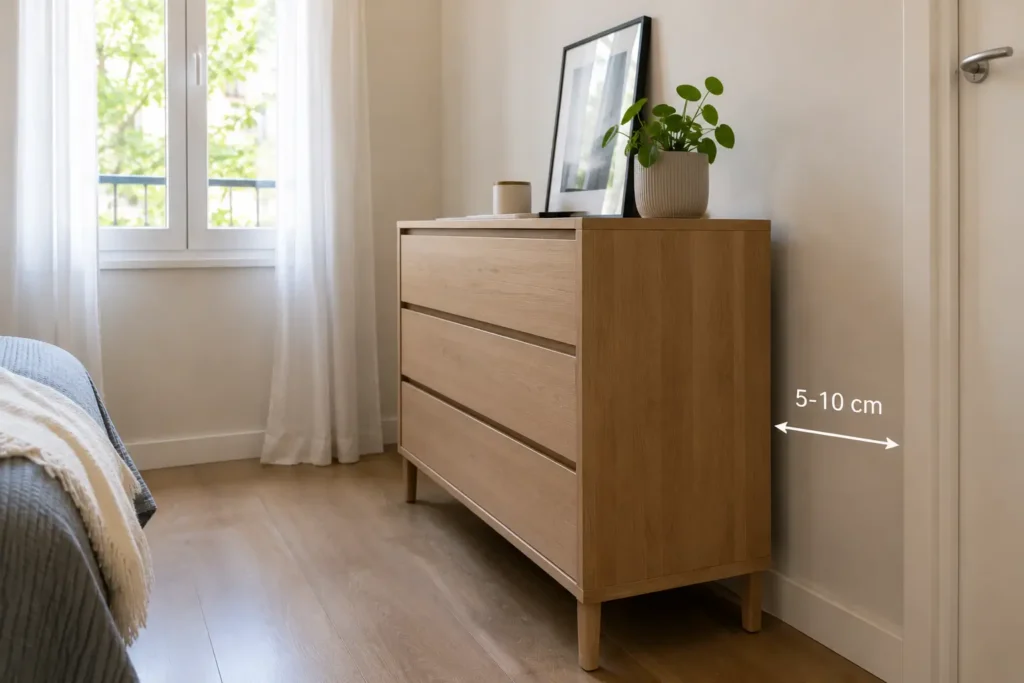
The way furniture is arranged can also contribute to damp problems. Wardrobes, sofas and other large pieces of furniture placed directly against external walls can prevent air from circulating properly. As a result, cold spots can develop where condensation builds up, eventually leading to mould.
Whenever space allows, it is advisable to leave a few centimetres between furniture and walls, particularly in areas where damp has previously been detected.
It is also worth regularly checking behind wardrobes and other furniture, as early signs of damp can easily go unnoticed.
7. Use a dehumidifier when necessary
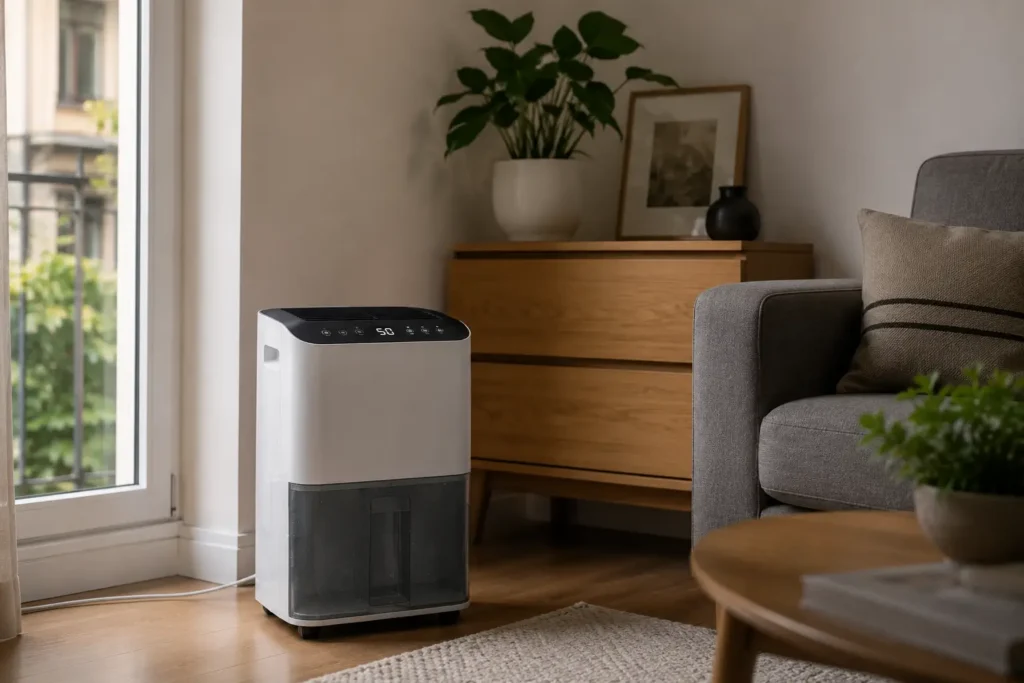
A dehumidifier can be a good solution when there is excess moisture in the air, particularly in properties with limited natural ventilation. These appliances remove some of the moisture from the air, helping to maintain more suitable indoor humidity levels.
As a general guideline, indoor relative humidity of approximately 40% to 60% is usually considered a comfortable range. A hygrometer can help you monitor these levels easily.
However, it is important to remember that a dehumidifier is a tool for controlling moisture in the air, not a solution to structural problems.
If there is a leak, water ingress or rising damp, the underlying cause will need to be addressed first.
8. Check windows, walls and seals
Old or poorly sealed windows can allow water to enter the property and also contribute to condensation.
For this reason, as part of the apartment’s regular maintenance, it is worth checking:
- Window seals and joints.
- Window frames and fittings.
- Shutters and shutter boxes.
- Façades and external walls.
- Terraces and balconies.
- Ceilings beneath or close to the roof.
- Pipes and plumbing installations.
A small leak or area of water ingress caught early is usually much easier to repair than a damp problem that has been affecting the property for months.
9. Act quickly at the first signs of mould
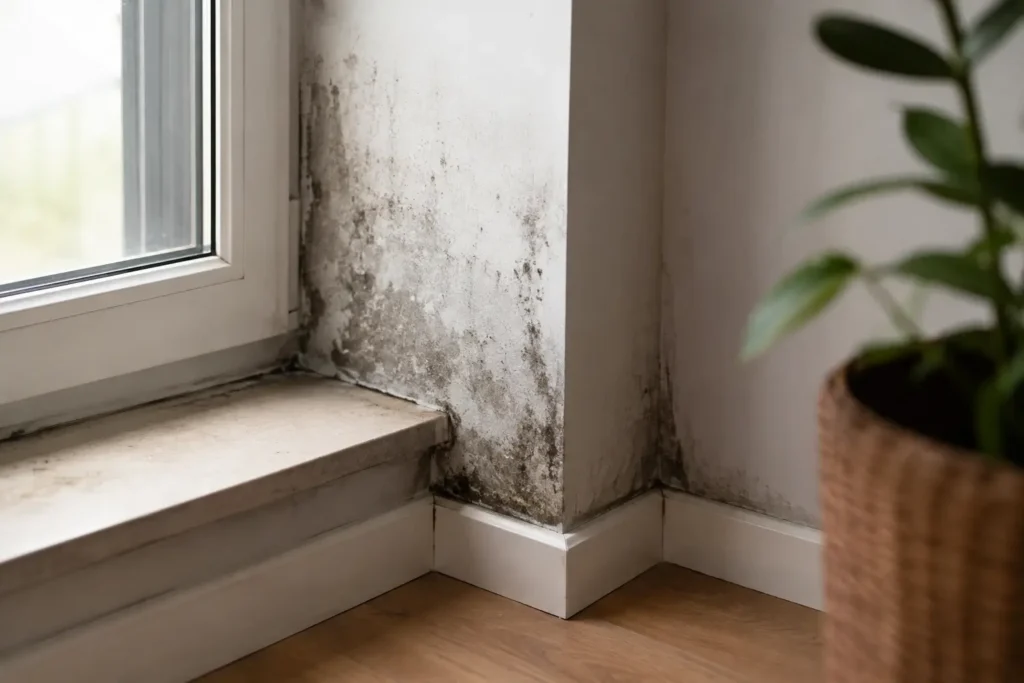
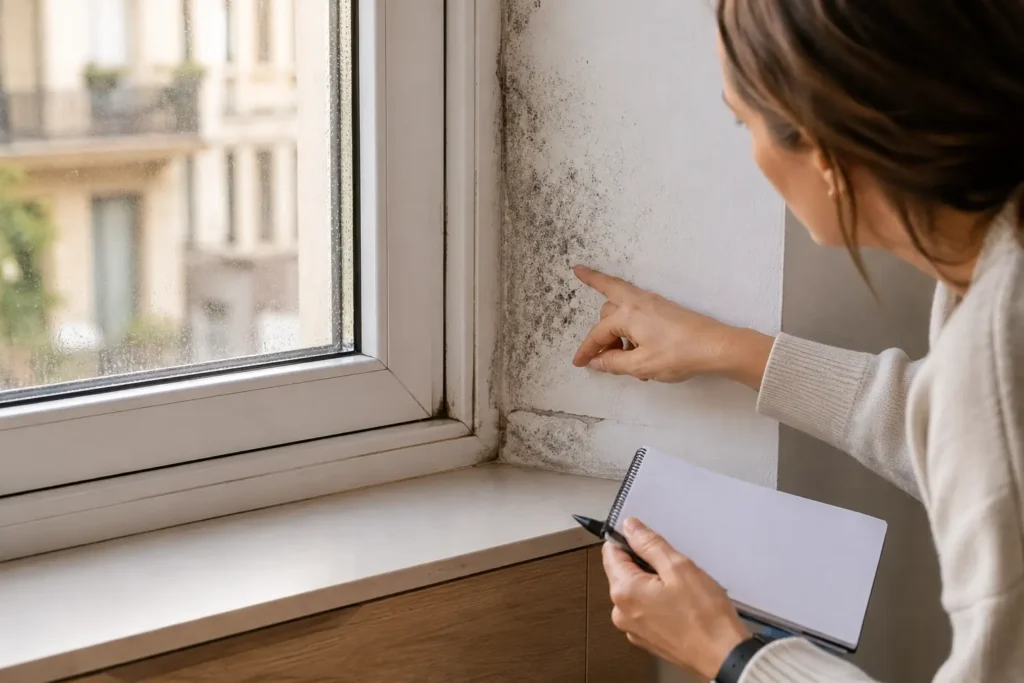
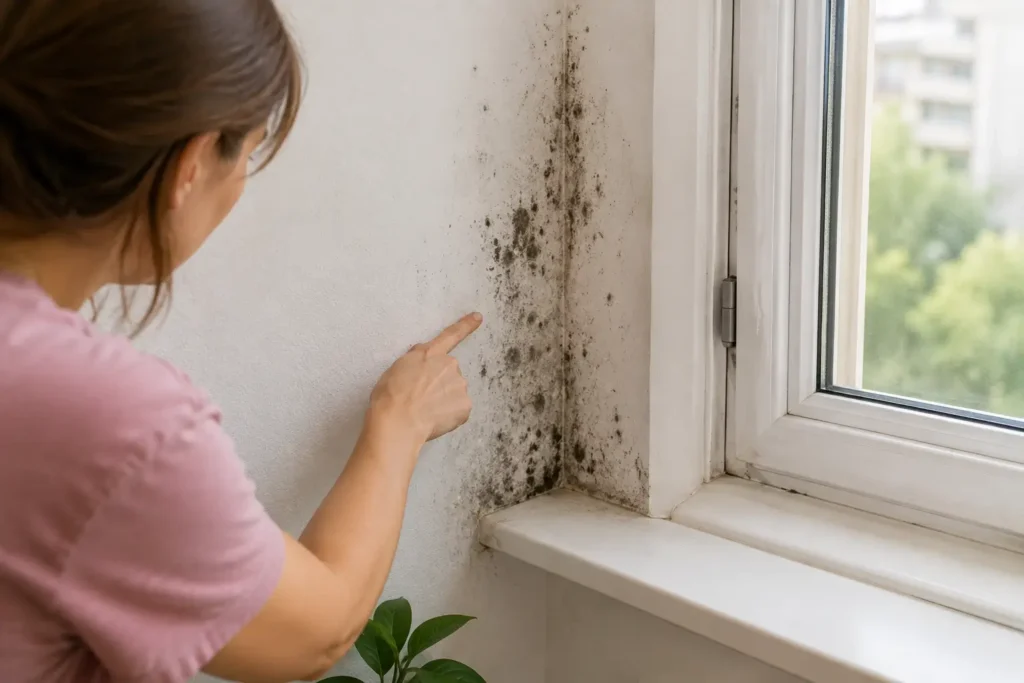
Small dark patches in corners, on ceilings, around joints or near windows are often a sign of excess moisture or condensation.
Cleaning the surface may remove the marks temporarily, but if the underlying cause is not identified, they are likely to return. If mould keeps appearing, it is therefore advisable to check the ventilation, measure indoor humidity levels and look for any signs of water ingress or insulation problems.
If the problem persists or affects a large area, it is best to seek advice from a professional.
10. Carry out regular checks between rentals
One of the advantages of being a landlord is being able to make the most of the periods between rentals to check the overall condition of the property.
During these inspections, it is particularly important to check:
-
- Corners and external walls.
- Bathroom and kitchen ceilings.
- Shower and bath seals.
- Areas behind furniture.
- Window frames.
- Areas around air conditioning units.
- Sinks and appliance connections.
- Terraces and balconies.
It is also advisable to check that ventilation and climate control systems are working properly.
Spotting a small mark, a damaged seal or an early-stage leak before the next tenant arrives can help prevent a much more serious problem.
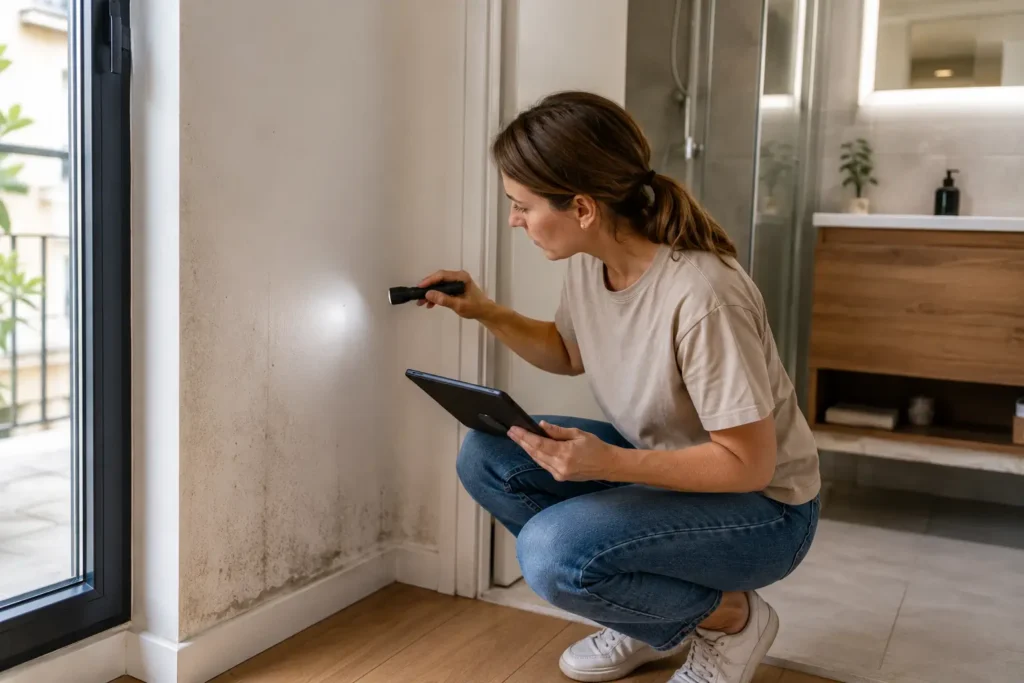
What should you do if damp has already appeared?
If there are already signs of damp in the apartment, the first step should be to identify the source. If condensation is the cause, improving ventilation, controlling the temperature and reducing indoor humidity levels may solve the problem.
However, if damp patches appear after periods of rain, paint begins to blister, walls remain permanently damp or damage appears near plumbing installations, there may be water ingress or a leak that requires professional attention.
Avoid simply painting over a damp patch. Although it may disappear temporarily, if the underlying cause is not addressed, the problem will return and could spread further.
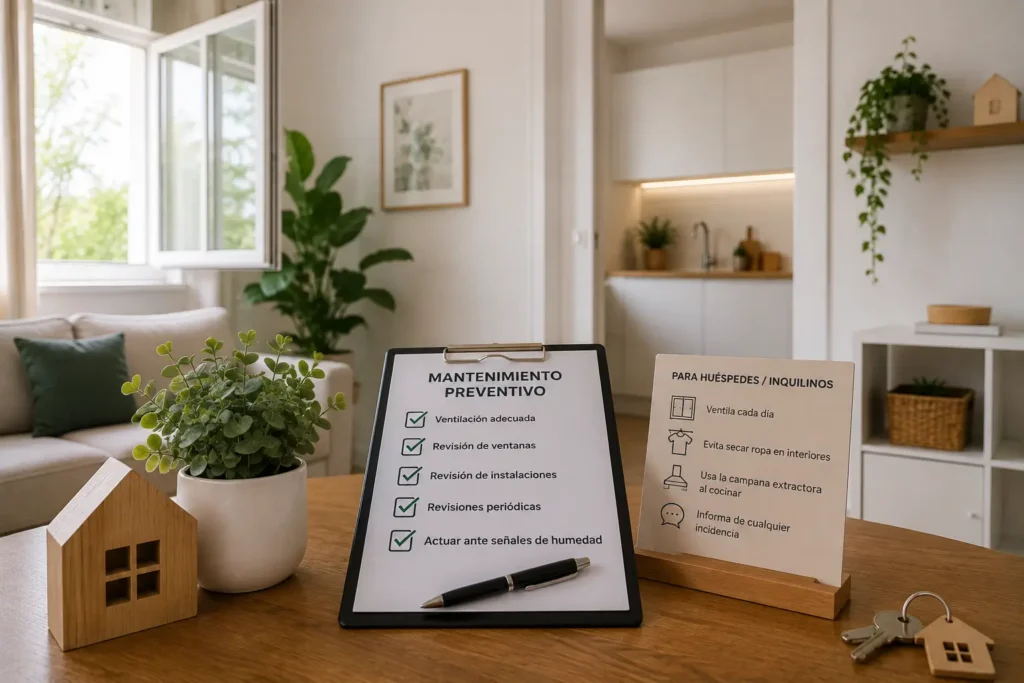
Preventing damp also helps protect your investment
Keeping a rental apartment in good condition means dealing with small issues before they turn into costly repairs.
Proper ventilation, regular maintenance of windows and installations, routine inspections and acting quickly at the first sign of damp all help to protect the property and extend the lifespan of its materials, fixtures and fittings.
In rental properties, it is also particularly important to combine regular maintenance by the landlord with clear instructions for guests or tenants on ventilation and the proper use of the property.
Leave the management of your apartment to professionals
Managing a rental apartment involves much more than finding tenants. Monitoring the condition of the property, identifying potential issues and carrying out regular maintenance are all essential to keeping it in good condition over the long term.
At AB Apartment Barcelona, we have extensive experience in managing apartments in Barcelona. We help landlords make the most of their properties while taking care of them throughout the entire rental process.
If you found this article useful, visit our Landlords Blog to discover more useful tips and advice. If you are a landlord and would like personalised advice, don’t hesitate to get in touch with our team. We’ll be happy to help!