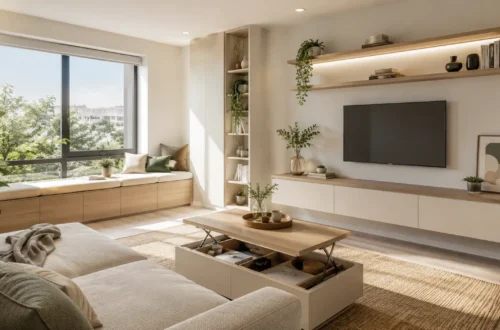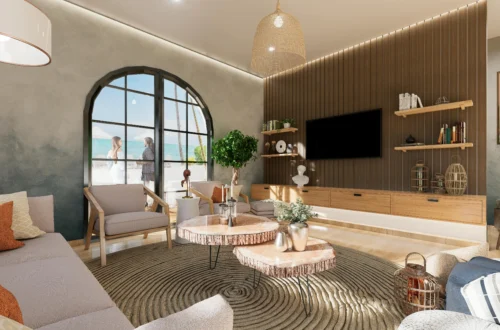
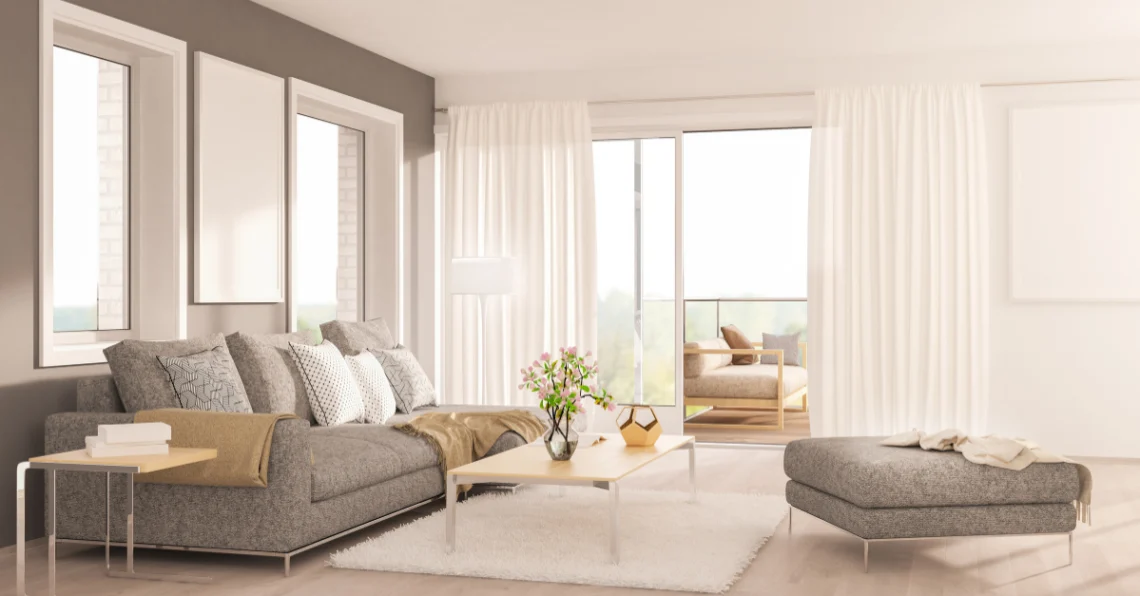
The living room is much more than the heart of any home: it’s where families come together, unwind and make lasting memories. For those looking to make the most of their property, creating a space that combines comfort and practicality is essential. Below, we share some practical ideas to transform your living room into a comfortable and functional space.
In This Article
1. Plan your layout wisely
Before you rush out to buy furniture, take a moment to think about how the living room is actually used. After all, good design isn’t just about looks — it should make everyday life easier too. Consider how people naturally move through the room, where the light comes in and which areas act as the main focal points.
The aim is to create a layout that feels open and easy to move around, making the most of every square metre without leaving the room feeling cramped. To achieve this, try positioning the main seating areas, such as the sofa and armchairs, in a way that encourages conversation and connection, while making sure there are clear walkways throughout the room.
2. Choose a comfortable, well-proportioned sofa
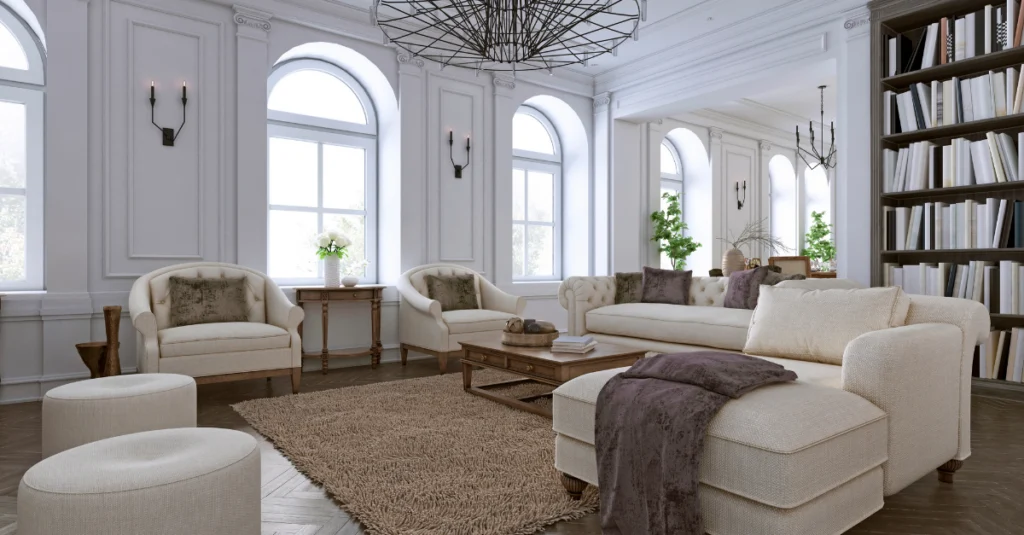
There’s no getting around it: the sofa is the undisputed star of any living room. It’s often the first piece of furniture that catches your eye when you walk in and the place where we spend most of our downtime at home. That’s why choosing the right one isn’t just about looks — comfort and practicality matter just as much. The key is to find a sofa that suits the size of the room and doesn’t overwhelm the space.
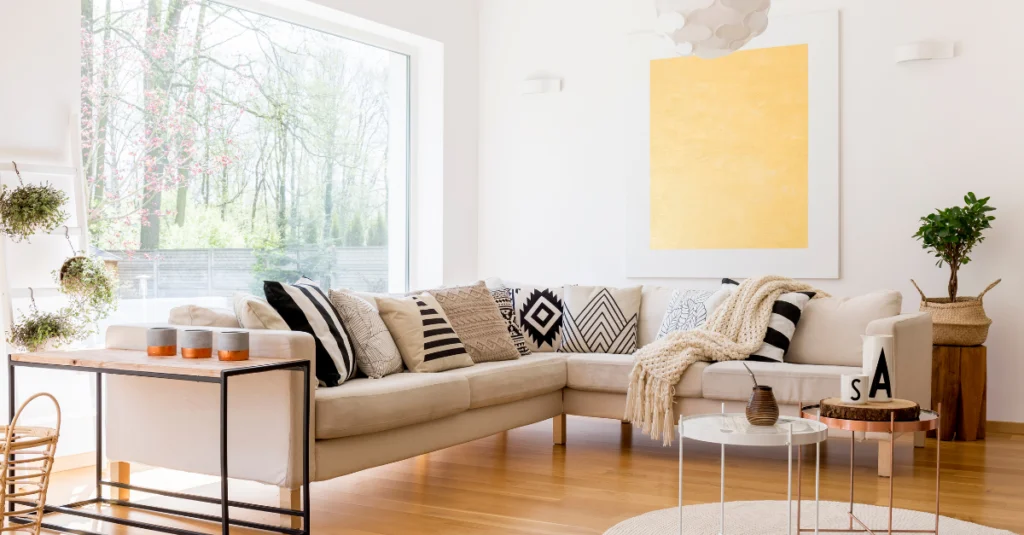
If you’re furnishing a smaller living room, your best bet is to go for sofas with clean, simple lines, ideally with raised legs that leave some of the floor visible underneath. This simple visual trick creates a greater sense of openness and can make the room feel much more spacious. If you have more room to play with, on the other hand, modular or L-shaped sofas are a great choice.
3. Make the most of natural light
Lighting can completely transform a home. Not only does it shape the atmosphere and make a space feel more welcoming, but it can also work wonders when it comes to making a living room feel much bigger than it actually is. That’s why one of the most common mistakes to avoid is blocking sources of natural light with tall furniture or bulky cabinets placed next to windows.
To let sunlight flow freely through the room, opt for lightweight curtains made from airy fabrics such as linen or sheer cotton. These materials gently filter the light while still allowing plenty of natural brightness into the space.
4. Add smart storage solutions
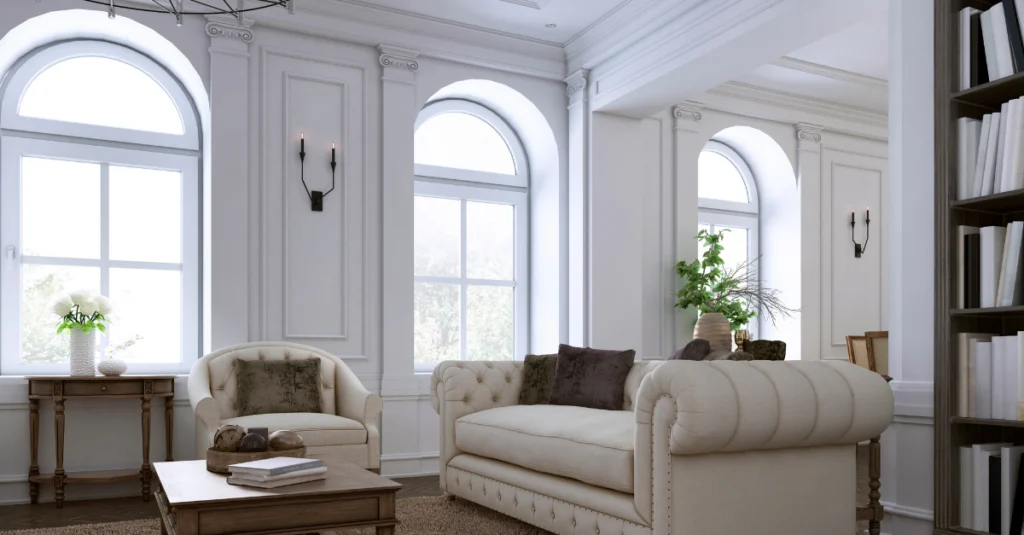
Let’s face it: no matter how beautifully decorated a living room is, if the TV remote and chargers are constantly lying around with nowhere to go, that sense of clutter can undo all your hard work. A clean, clutter-free space instantly feels more peaceful, making the room look tidier, more spacious and more inviting from the moment you walk in. The trick isn’t to hide everything away, but to choose pieces that work in your favour.
To keep things organised without making life complicated, multifunctional furniture can be a real game changer. Think coffee tables with drawers or lift-up tops, stylish sideboards, or shelving units that combine open and closed storage. This way, you can keep everyday essentials close at hand without compromising on design, ensuring style and organisation go hand in hand.
5. Use a balanced colour palette
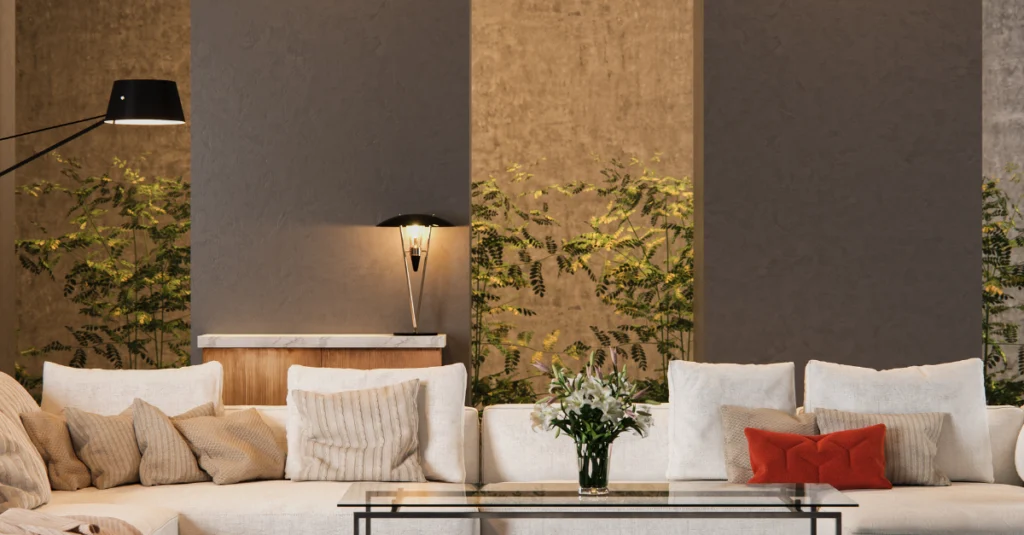
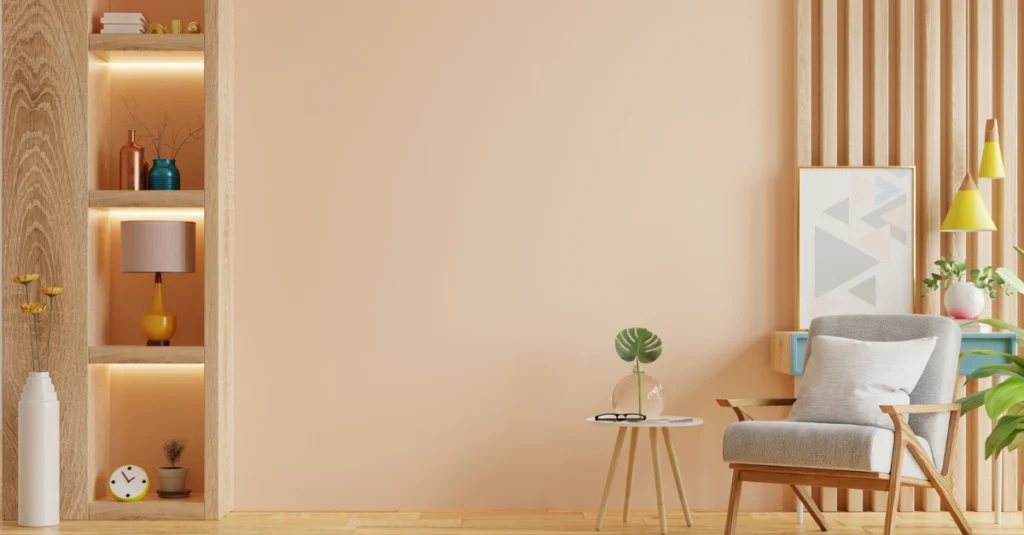
The colours you choose for the walls and main pieces of furniture can completely change the way a room feels. It’s no secret that overly bold colours can quickly become tiring, while a well-chosen colour scheme creates a space where you naturally want to sit back, relax and spend time.
A tried-and-tested rule that appeals to a wide range of tastes is to build your living room around a base of neutral tones. Think colours such as off-white, warm beige, soft grey or sandy tones. Not only do these shades make the most of natural light and give the room a more open, airy feel, but they also provide the perfect blank canvas for the rest of your décor.
6. Add textiles for extra comfort
If there’s one foolproof interior design trick for turning a cold space into a welcoming home, it’s textiles. It’s easy to get caught up in replacing furniture or planning major renovations when, in reality, the secret to creating warmth often lies in the softer details. Textiles make a room feel cosier, help absorb sound and create that inviting atmosphere that makes you want to stay a little longer.
And you don’t need to spend a fortune to get it right. Simply focus on three key elements: a well-proportioned rug to define and bring the seating area together, a good mix of cushions in different textures and weights, and a stylish throw casually draped over the back of the sofa. Best of all, they don’t just add incredible visual and tactile comfort — they’re also one of the easiest ways to refresh your living room with the seasons. Choose lighter, fresher tones and fabrics for summer, then switch to heavier, cosier materials such as wool or velvet for winter. It’s an easy update that doesn’t require changing the layout of the room.
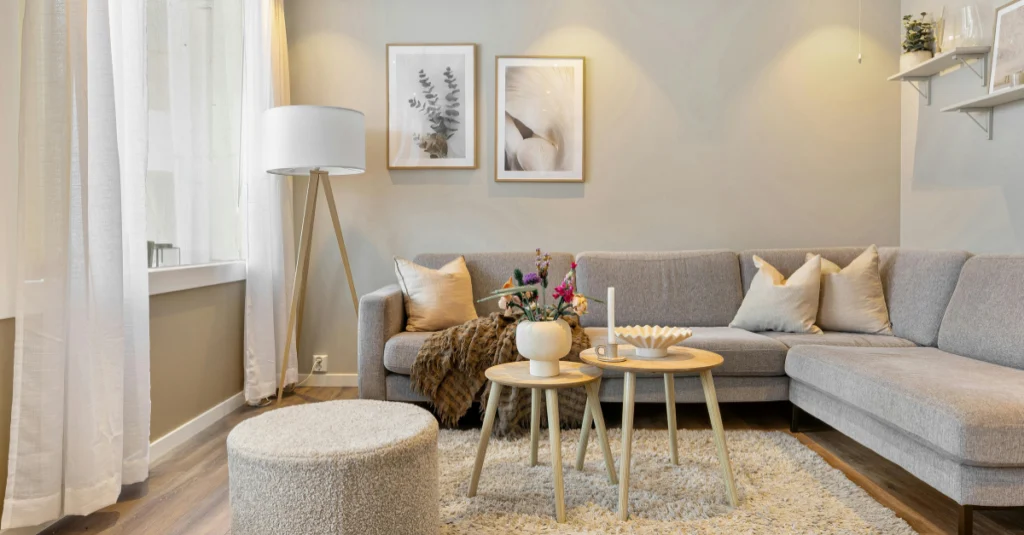
7. Decorate with balance and personality
It’s easy to fall into the trap of filling every corner with artwork or travel souvenirs in an attempt to make the room feel more complete. But when it comes to interior design, the saying “less is more” often holds true. The key is to choose meaningful pieces that complement the space and allow the room to speak for itself without making it feel overcrowded.
So how do you strike the right balance? Choose elements that bring life and character to the room. Natural plants can add freshness and colour, while carefully selected prints or artwork can complement the overall style of the property.
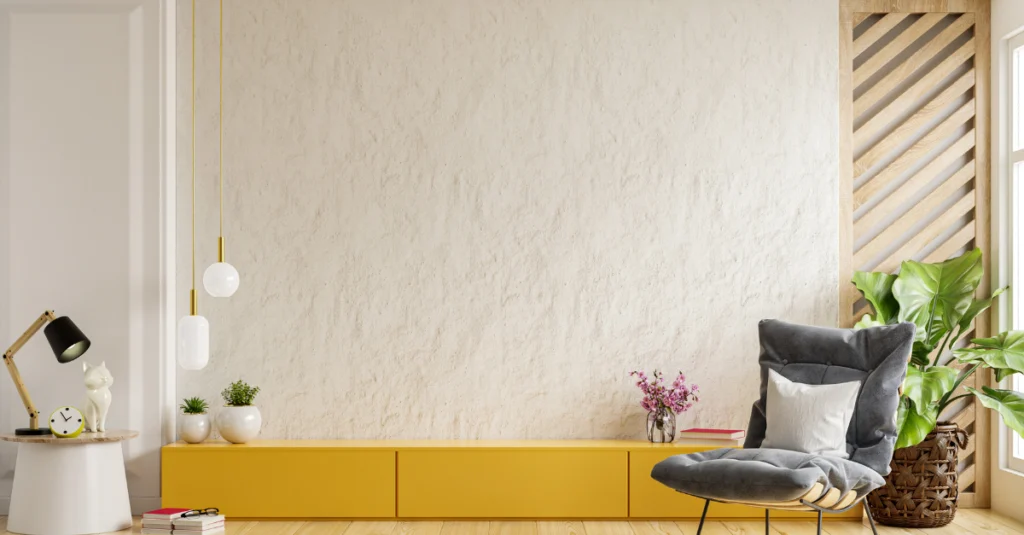
8. Adapt your living room to a functional lifestyle
At the end of the day, a living room might look like it belongs in an interiors magazine, but that means very little if it isn’t practical for everyday life. Style matters, but the real test of a well-designed living room is how effectively it meets people’s actual needs. Before you consider the design finished, think carefully about how the space will really be used.
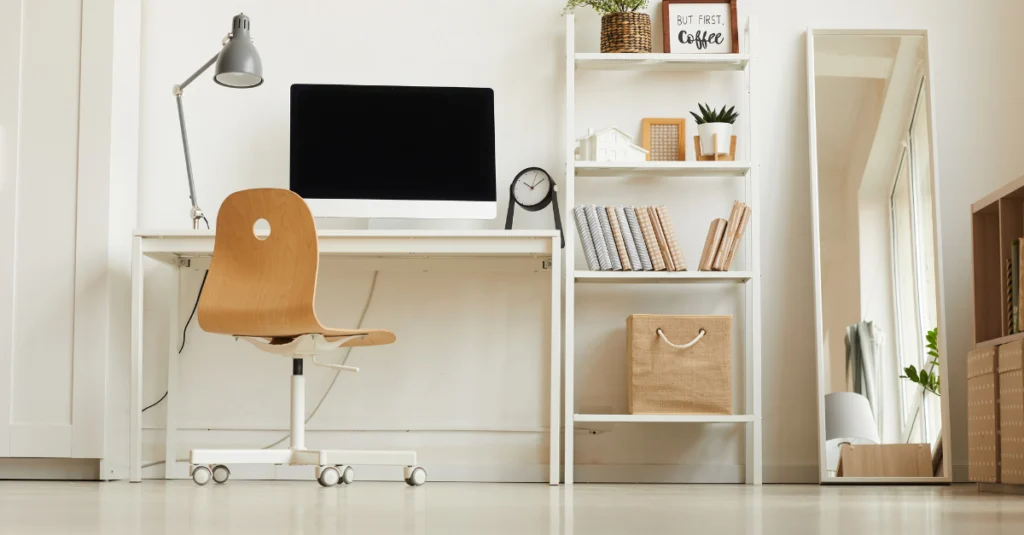
If you work from home or need a quiet place to focus, you could incorporate a compact floating desk or a dedicated work-from-home area that blends seamlessly into the rest of the décor without taking over the room. If you’re furnishing a rental property, however, the golden rule is to prioritise durable materials, easy-to-clean fabrics and a versatile layout that works comfortably for different types of guests.
As you’ve seen, completely transforming a living room and making the most of its potential doesn’t require major renovations or a huge budget. Sometimes, it simply comes down to making smart choices, such as planning the layout so the room feels open and uncluttered or choosing furniture that’s properly proportioned for the space.
Ultimately, following these steps isn’t just about creating a beautiful and welcoming living room. For you as a property owner, it’s a direct investment in the value and appeal of your property.
If you found this article useful, visit our Property Owners’ Blog to discover more helpful articles. If you’re a property owner looking for expert advice, don’t hesitate to get in touch with our team — we’ll be happy to help!