Having a small bedroom does not mean you have to compromise on style or comfort. When space is limited, there is less room for error. Choosing the wrong furniture or adding too much of it can quickly turn a cosy retreat into a cluttered and chaotic space. To keep your bedroom feeling open and spacious, here are the 7 visual and layout mistakes you should avoid.
Article Contents
1. Bulky furniture
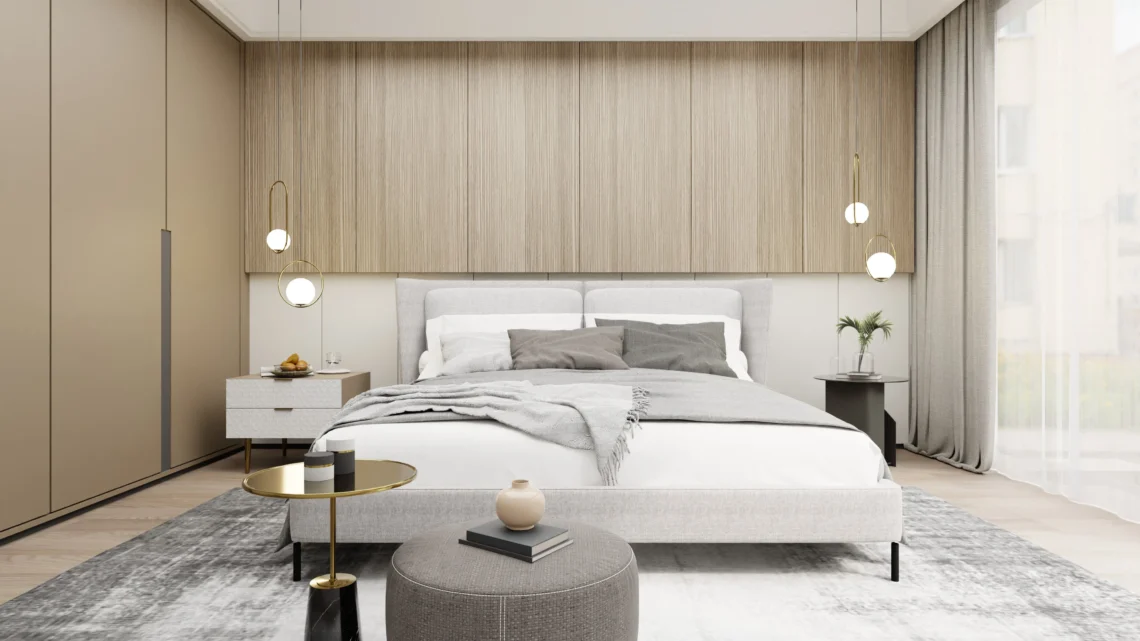
One of the most common mistakes is choosing furniture that is too bulky and dark. Large headboards and solid bedside tables take up valuable visual space, making the bedroom feel even smaller. What to avoid: Beds with very high storage bases that sit heavily against the floor, and dark wardrobes that block the light. The alternative: Choose furniture with slim, raised legs that allow the floor to remain visible. This creates a continuous visual line and makes the bedroom feel larger.

2. Traditional bedside tables
Bedside tables that sit directly on the floor take up valuable space and interrupt the flow around the bed. If you have to squeeze one between the bed and the wall, the room is likely to feel overcrowded. What to avoid: Wide bedside tables with bulky drawers on both sides of the bed. The alternative: Choose floating bedside tables or lightweight shelves fixed to the wall. Keeping the floor clear is one of the best ways to create a greater sense of space. 
3. Heavy, dark curtains
Windows are the main source of natural light and your connection to the outdoors. For this reason, it is essential to make the most of them in a small bedroom. The wrong fabric can instantly make the room feel smaller. What to avoid: Curtains made from thick fabrics, such as velvet, and dark colours. The alternative: Choose lightweight fabrics in pale colours, such as linen. One useful trick is to hang the curtain rail as close to the ceiling as possible and let the curtains fall all the way to the floor. This will make the walls appear taller. 
4. Lighting that takes up valuable space
Large table lamps and bulky floor lamps take up useful space. Any lamps placed on bedside tables or in corners should be in proportion to the size of the room, so they do not restrict movement. Another key point is to choose warm light bulbs, ideally around 2700K. Warm lighting softens the edges of the room, while cool white light can make a small space feel even more confined. What to avoid: Lamps with wide shades on bedside tables or bulky floor lamps that get in the way. The alternative: Switch to wall lights or pendant lamps hanging from the ceiling. This will keep your surfaces clear and uncluttered. 
5. Rugs in the wrong size
There is a common misconception that a small bedroom needs a small rug. This is a big mistake. A rug that is too small visually breaks up the floor and makes the room feel more divided.
What to avoid: Placing small rugs, similar to bath mats, only on either side of the bed. The alternative: Choose a large rug that sits underneath the bed and extends beyond the sides and the foot of it. Alternatively, if you prefer a more open look, you can skip the rug altogether and leave the floor fully visible. A large rug helps tie the whole room together. 
6. Bedding with oversized patterns
The bed is the largest piece of furniture in the bedroom, so whatever you put on it has a big impact on the overall look and feel of the space. What to avoid: Duvets with oversized geometric prints, large floral patterns or highly saturated colours that absorb light and make the room feel smaller. The alternative: Choose neutral colours such as white, beige or light grey for your duvet or bedspread. If you want to add a pop of colour, do it with textured cushions instead. 
7. The “gallery effect”: Too many pictures or small decorative items
Filling your walls with lots of small frames or overcrowding shelves with decorative objects creates visual clutter. Our brains naturally interpret this as a messy, busy space. What to avoid: Creating gallery walls with lots of small pictures or covering every surface with decorative ornaments. The alternative: Follow the “less is more” approach. One large statement artwork is far more effective than lots of smaller pieces, allowing the rest of the walls to breathe. Another great option is to replace artwork with a large mirror placed opposite the window. This reflects natural light throughout the room and makes the space feel much larger. 
If you found this article helpful, be sure to visit our Property Owners Blog. If you would like personalised advice, feel free to get in touch with our team. We’d be happy to help!