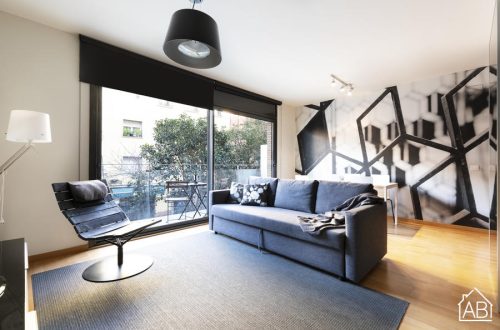

Renting out a property can be an excellent way to generate income, but it also comes with certain responsibilities. To avoid misunderstandings, protect your property and maintain a good relationship with your tenants, having a clear and well-drafted rental agreement is essential.
Beyond setting out the rent and duration, this document should cover the terms of the tenancy, the obligations of both parties and how to deal with potential unforeseen circumstances.
If you own a flat in Barcelona and are thinking of renting it out, we explain which clauses should never be missing from your rental agreement and how they can help you manage your property with greater peace of mind.
Contents
- 1. Identification of the parties and property details
- 2. Agreement duration and termination conditions
- 3. Rent, deposit and guarantees
- 4. Maintenance, repairs and responsibilities
- 5. House rules and use of the property
- 6. Breaches of contract and returning the property
- 7. What should you consider when renting out your property in Barcelona?
- 8. Rent out your property with peace of mind and professional management
1. Identification of the parties and property details
The first step in formalising a rental agreement is to correctly identify the landlord, the tenant and the property.
The document should include the details of both parties, the property’s full address and its main features. It is also worth specifying whether the rental includes furniture, household appliances, storage rooms or parking spaces.
For furnished properties, including an inventory accompanied by photographs is particularly advisable. This provides a record of the furnishings, equipment and their initial condition, making it easier to identify any damage when the tenancy ends.

2. Agreement duration and termination conditions
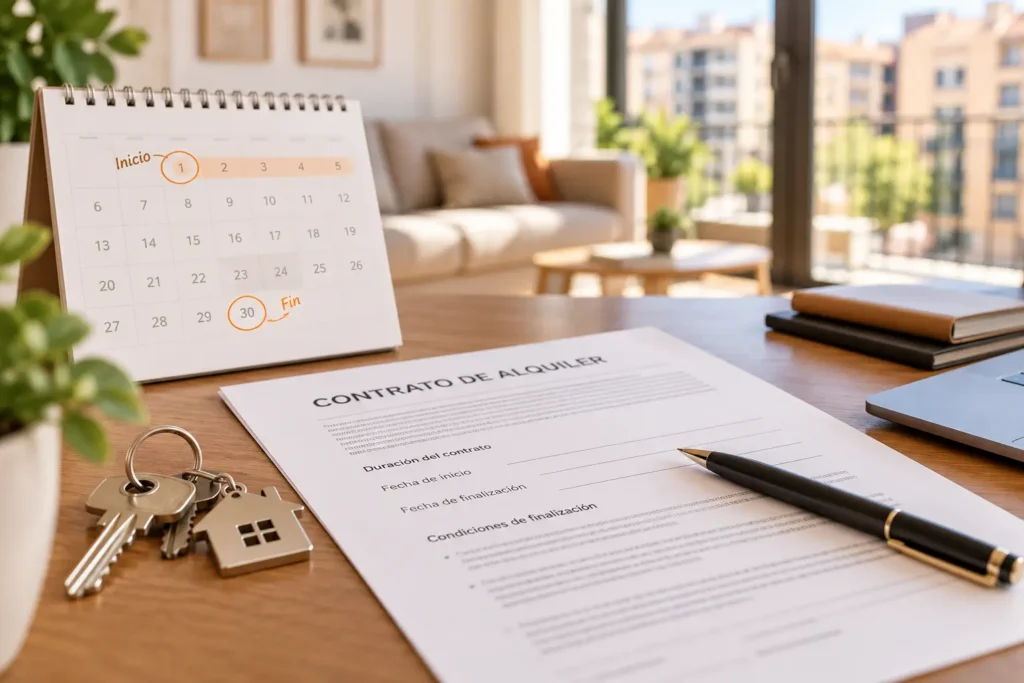
The duration of the tenancy should be clearly established, bearing in mind that legal requirements vary depending on the type of rental.
For permanent residential tenancy agreements, the Spanish Urban Leases Act (LAU) generally provides for mandatory extensions of up to five years if the landlord is an individual, or seven years if the landlord is a legal entity.
For temporary rentals intended to meet short-term needs, such as work or study, it is essential to provide documentary evidence of the reason for the stay and comply with the applicable regulations. The agreement should also specify notice periods, withdrawal conditions and the potential consequences of early termination, while always respecting the legal rights of both parties.
3. Rent, deposit and guarantees
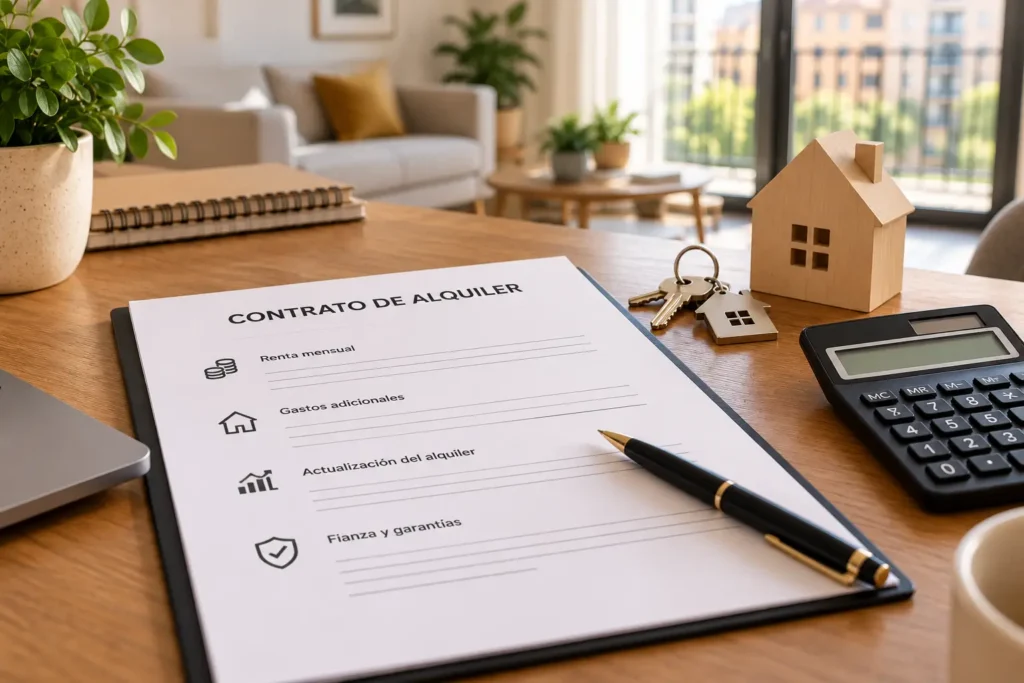
The financial section is one of the most important parts of the agreement, as it establishes payment obligations and the guarantees available to the landlord.
To avoid confusion, it is advisable to specify:
- Monthly rent: amount, payment date and payment method.
- Additional expenses: utilities and other charges that may legally be passed on to the tenant.
- Rent adjustments: review conditions permitted under the applicable regulations.
- Deposit and guarantees: required amounts and conditions for their return.
For permanent residential rentals, the statutory security deposit is equivalent to one month’s rent. Different conditions may apply to other types of rental, so it is important to check the relevant legislation.
In addition, rent limits apply to certain types of rental properties in Barcelona, making it essential to check the current regulations before setting the rent.
4. Maintenance, repairs and responsibilities
Who should pay for a repair? What happens if a household appliance breaks down? These situations can lead to disputes if responsibilities are not clearly defined.
As a general rule, the landlord is responsible for repairs necessary to keep the property in a habitable condition, unless the damage is attributable to the tenant.
The tenant, meanwhile, is responsible for minor repairs resulting from normal wear and tear through everyday use, as well as any damage for which they are legally liable.
It is also advisable to establish how maintenance issues should be reported and repairs requested. Defining these procedures makes property maintenance easier and helps prevent misunderstandings throughout the tenancy.

5. House rules and use of the property
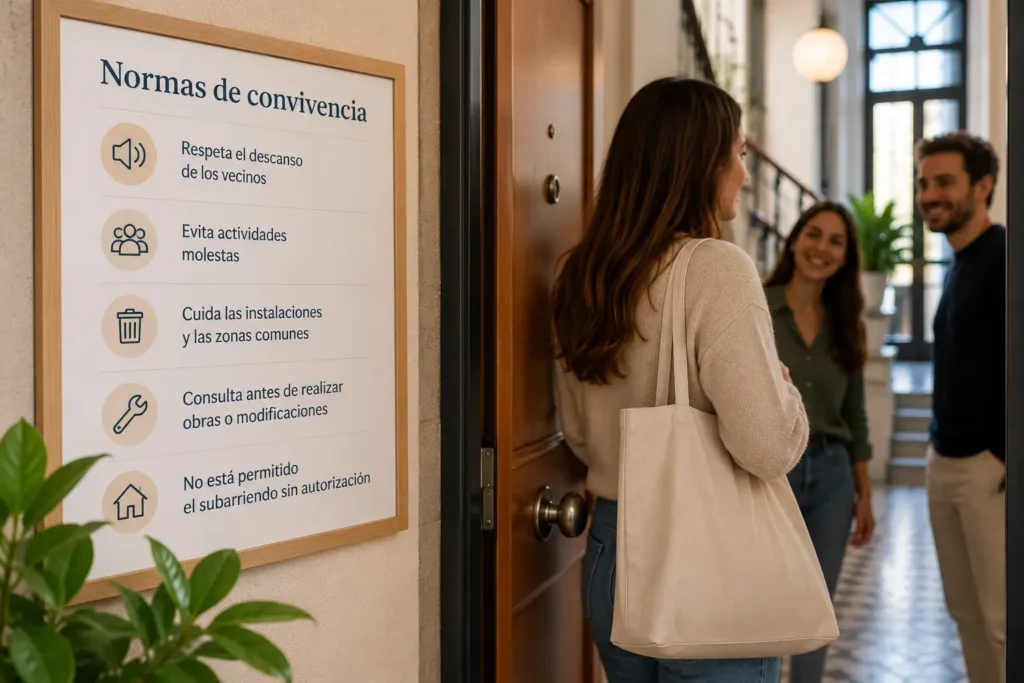
The agreement should also establish basic rules to ensure the property is used appropriately and the residential community is respected.
It is advisable to include conditions relating to noise, disruptive activities, care of the facilities and compliance with building regulations. Matters such as carrying out alterations, transferring the tenancy agreement or subletting can also be regulated, provided they remain within legal limits.
Establishing clear rules from the outset helps protect the property and prevent disputes with neighbours, particularly in residential buildings.
6. Breaches of contract and returning the property
Even when both parties intend to comply with the agreement, situations such as unpaid rent, property damage or early termination may arise. It is therefore advisable to establish the consequences of potential breaches of contract, while always respecting the legal grounds and procedures for termination.
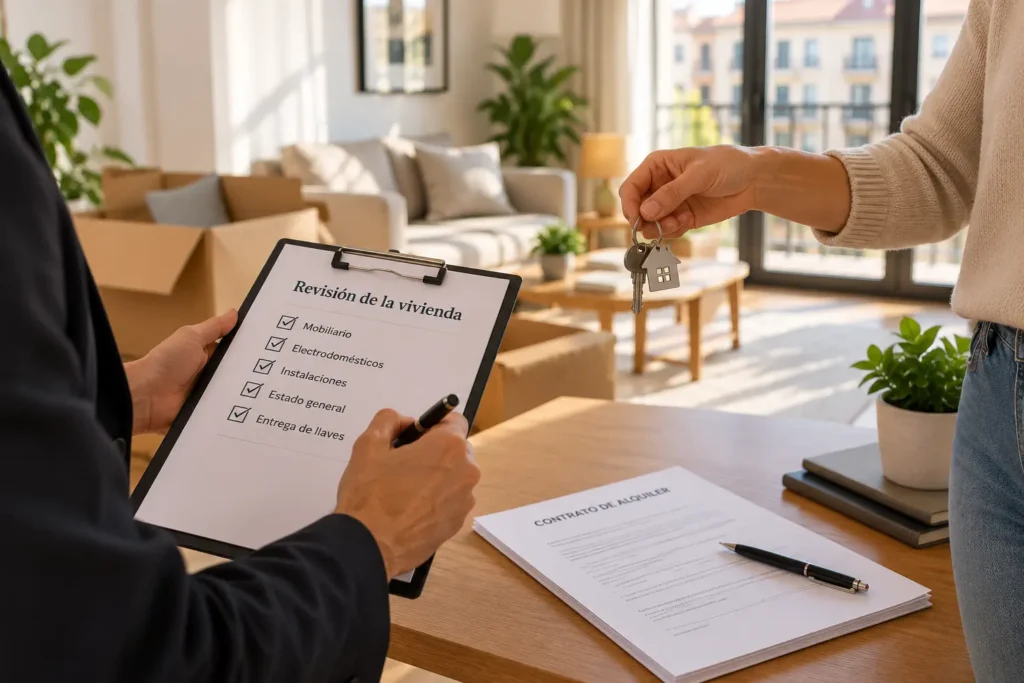
At the end of the tenancy, it is also important to define how the property will be handed back, including the return of keys, inspection of the inventory and settlement of any outstanding utility bills or payments.
Documenting the condition of the property at the beginning and end of the tenancy makes it easier to distinguish normal wear and tear from actual damage and helps facilitate the return of the security deposit when appropriate.
7. What should you consider when renting out your property in Barcelona?
In addition to the clauses mentioned above, property owners in Barcelona should pay particular attention to regional legislation and rental market regulations.
As Barcelona is classified as a stressed residential market area, certain tenancy agreements are subject to rent limits.
Catalan regulations also establish specific requirements for temporary rentals, particularly regarding the justification of their temporary purpose and the applicable financial conditions. It is also important to remember that security deposits for urban tenancy agreements must be lodged with INCASÒL, in accordance with legal requirements.
For this reason, before signing any rental agreement, it is advisable to check that all its terms comply with current legislation.
8. Rent out your property with peace of mind and professional management
A well-drafted rental agreement is essential for protecting your property, but good property management goes much further. Tenant selection, document verification, payment monitoring and resolving maintenance issues are also key aspects of ensuring a positive rental experience.
At AB Apartment Barcelona, we have extensive experience managing rental properties in Barcelona and help landlords get the most out of their properties by taking care of the different stages of the rental process.
Do you own a flat in Barcelona and want to rent it out with greater peace of mind? Discover our services for property owners and let our team help you manage your property professionally, conveniently and efficiently.
If you found this article useful, take a look at our Property Owners Blog for more helpful articles. And if you’re a property owner looking for advice from our team, don’t hesitate to get in touch with us!