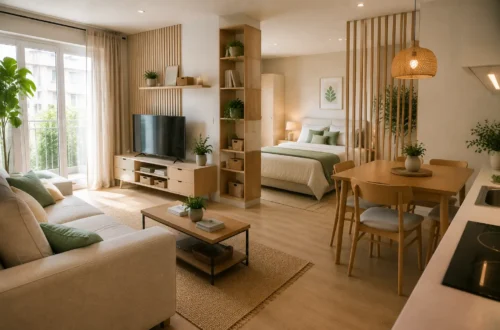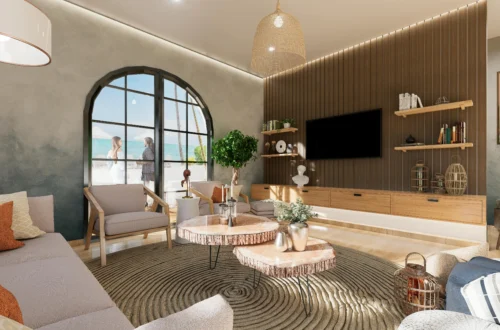
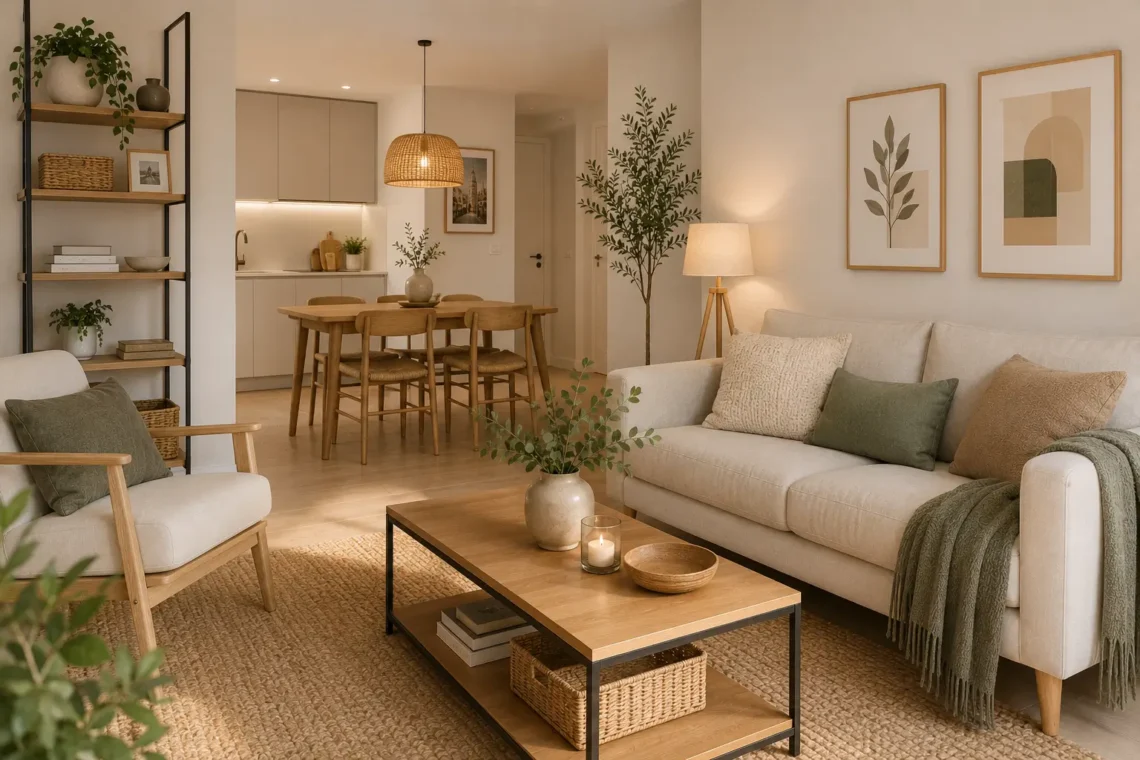
A home’s interior design should be more than just visually appealing. A well-designed space should also be comfortable, practical, and tailored to everyday living. When it comes to a rental property, whether for holiday rentals or mid-term rentals, finding the right balance between style and functionality can make all the difference to the guest experience and the property’s profitability.
A functional interior design helps make the most of every square metre, simplifies maintenance, and creates a sense of order and comfort that today’s travellers appreciate more than ever.
Article Contents
- What is functional interior design?
- Why is it important in a rental property?
- Choose furniture that’s stylish and practical
- Make the most of the available space
- Choose durable, low-maintenance materials
- Stick to a timeless colour palette
- Lighting is part of functionality too
- Smart storage and organisation
- Decorate without overcrowding your space
- Add personality with small details
- Common decorating mistakes to avoid
- Conclusion
1. What is functional interior design?
Functional interior design is all about creating spaces that strike the perfect balance between style and practicality. Every piece serves a clear purpose, avoiding furniture or accessories that simply take up valuable space.
It doesn’t mean sacrificing good design; instead, it’s about making sure every item adds both visual appeal and practical value.
A functional home typically conveys:
- Mayor amplitud.
- Mejor organización.
- Más comodidad para el día a día.
- Mayor facilidad de limpieza.
- Una imagen más cuidada y profesional.
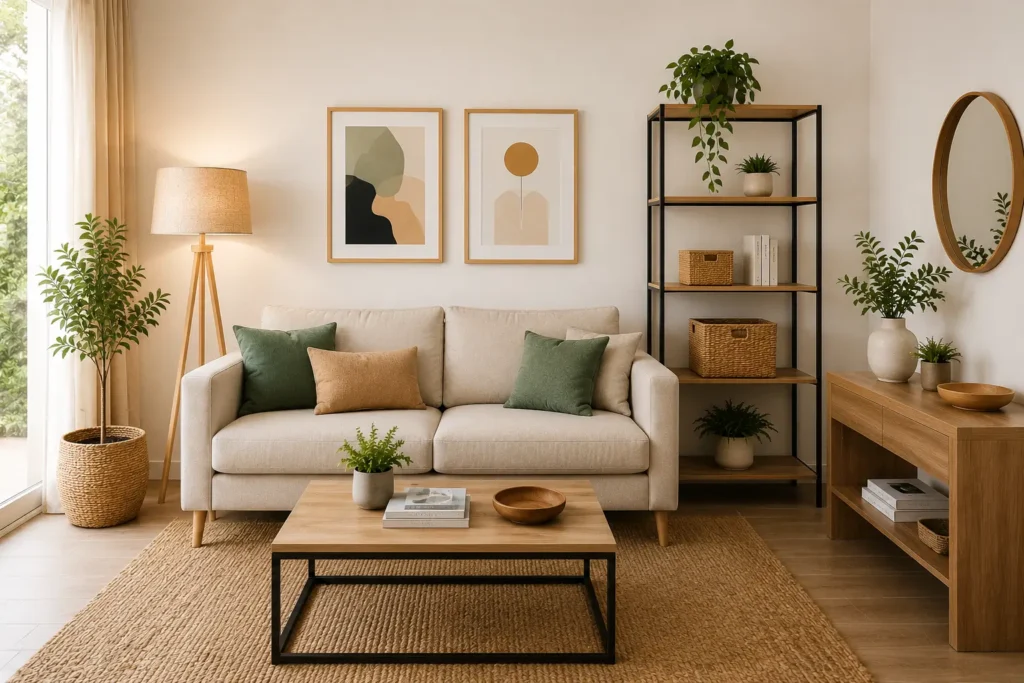
2. ¿Por qué es importante en una vivienda de alquiler?
Cuando un huésped entra en un apartamento, genera una primera impresión en apenas unos segundos. Un espacio bonito llama la atención, pero un espacio cómodo, práctico y bien organizado mejora notablemente la experiencia durante la estancia.
Además, una decoración funcional ofrece numerosas ventajas para el propietario:
- Reduce el desgaste del mobiliario.
- Facilita la limpieza entre estancias.
- Disminuye las incidencias relacionadas con el equipamiento.
- Permite que la vivienda siga siendo atractiva durante más años.
- Reduce futuras inversiones en renovación.
En definitiva, supone un ahorro de tiempo y dinero a medio y largo plazo.
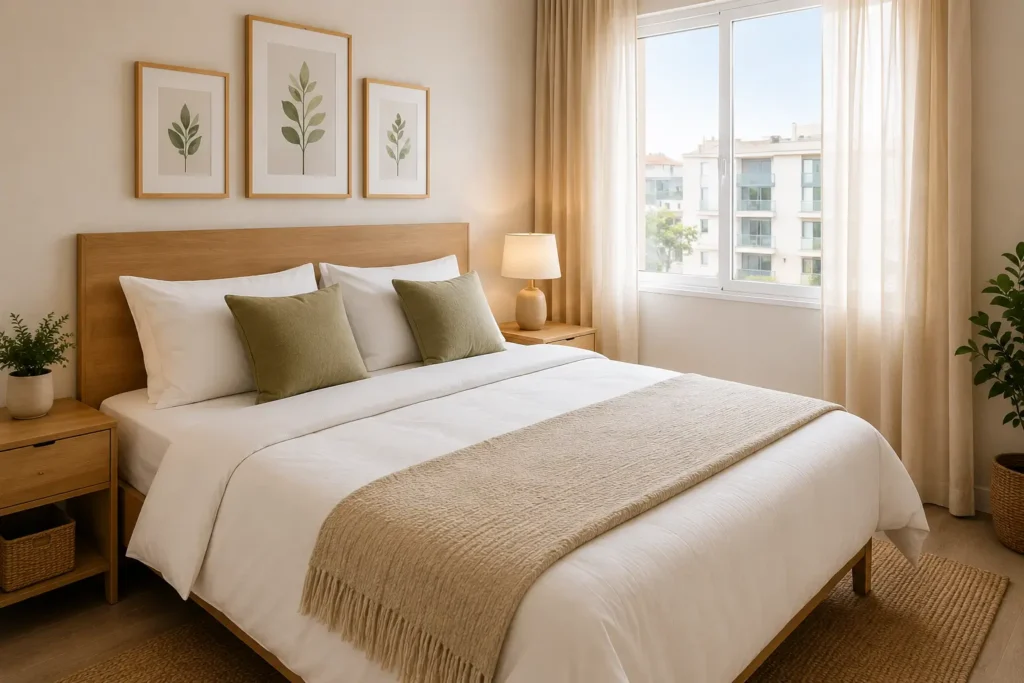
3. Elige muebles bonitos, pero también útiles
Antes de comprar cualquier mueble conviene hacerse una pregunta: ¿Va a aportar una utilidad real?
En lugar de llenar la vivienda con piezas únicamente decorativas, es preferible apostar por mobiliario versátil que facilite el día a día.
Algunas buenas opciones son:
- Extendable dining tables.
- Durable and comfortable sofas.
- Beds with ottoman storage.
- Coffee tables with built-in storage.
- Slim console tables for entryways.
- Benches with hidden storage.
The more functional the furniture, the greater the sense of comfort your property will provide.
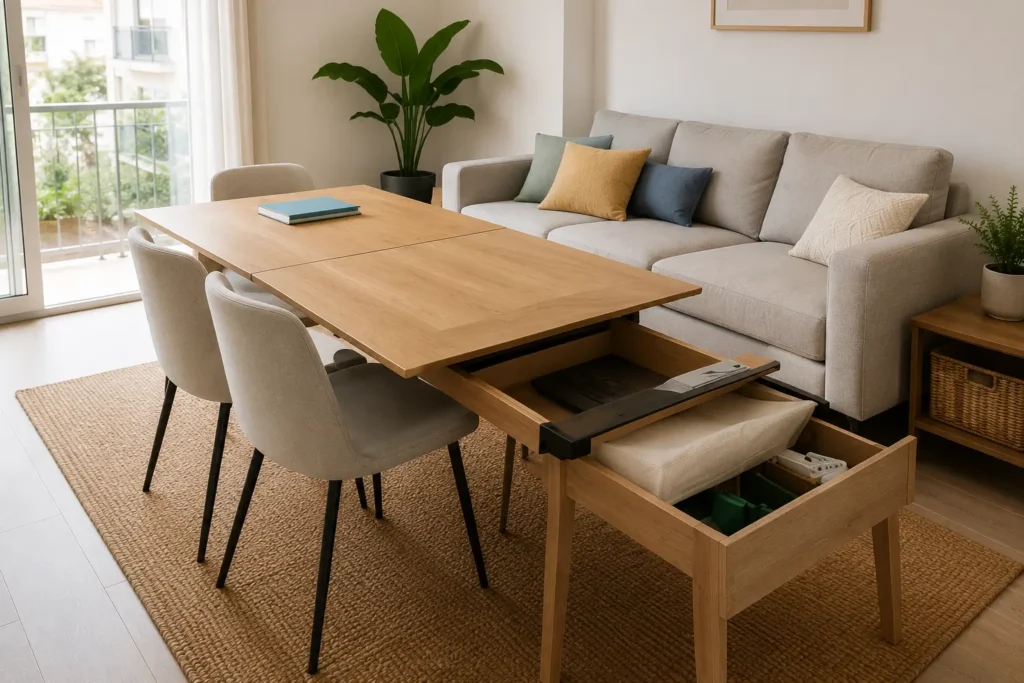
4. Make the Most of the Available Space
You don’t need a large apartment to create a comfortable home. A well-planned layout is often far more important than the number of square metres.
To create a more functional living space:
- Avoid oversized furniture.
- Keep walkways clear.
- Make use of wall-mounted shelving.
- Choose floating furniture whenever possible.
- Use mirrors to make the space feel larger and brighter.
Every corner can serve a purpose without making the space feel cluttered.
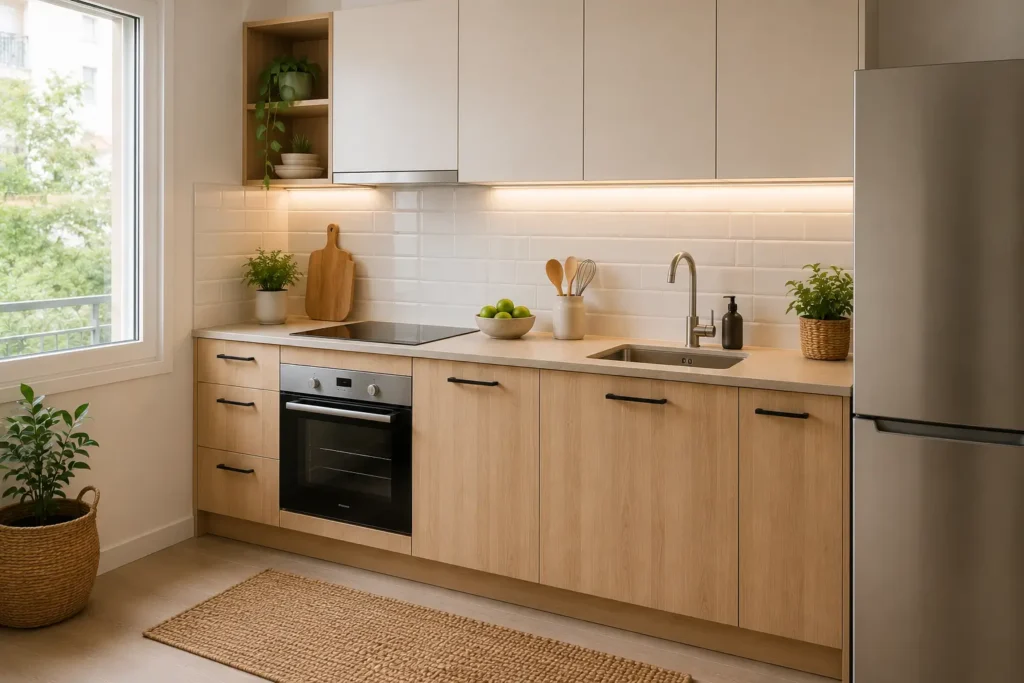
5. Choose Durable, Low-Maintenance Materials
In a rental property, durability is just as important as appearance. Investing in high-quality materials helps reduce maintenance and replacement costs over time.
Some recommended options include:
- Porcelain or luxury vinyl flooring.
- Impact- and stain-resistant countertops.
- Stain-resistant upholstery.
- Washable paint.
- High-quality laminate furniture.
- Easy-care textiles.
Although the initial investment may be slightly higher, it usually proves far more cost-effective in the long run.
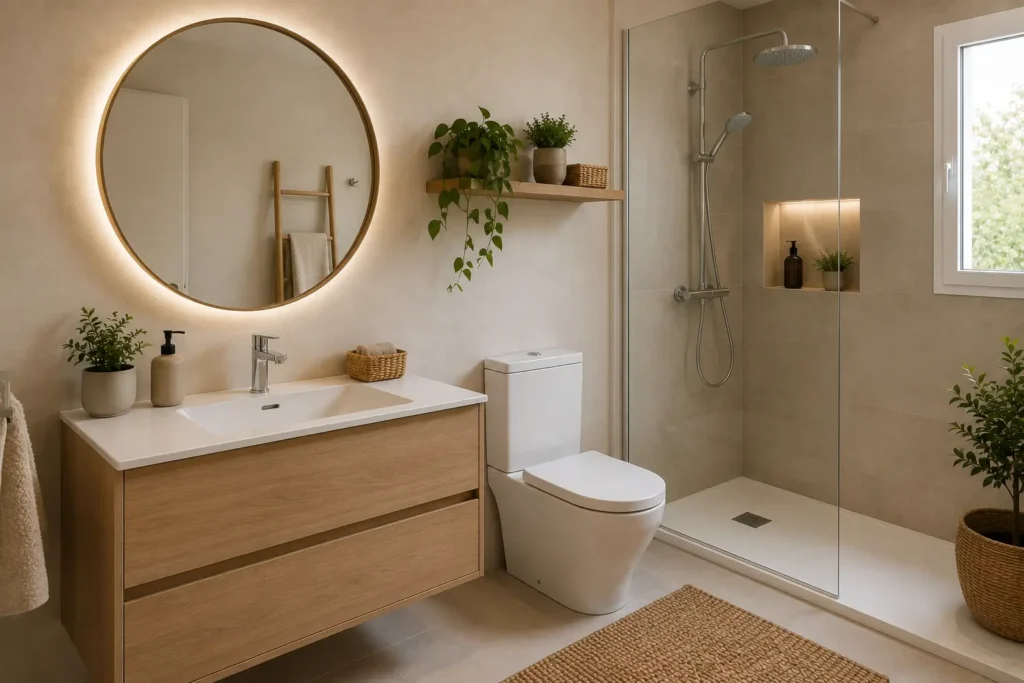
6. Stick to a Timeless Colour Palette
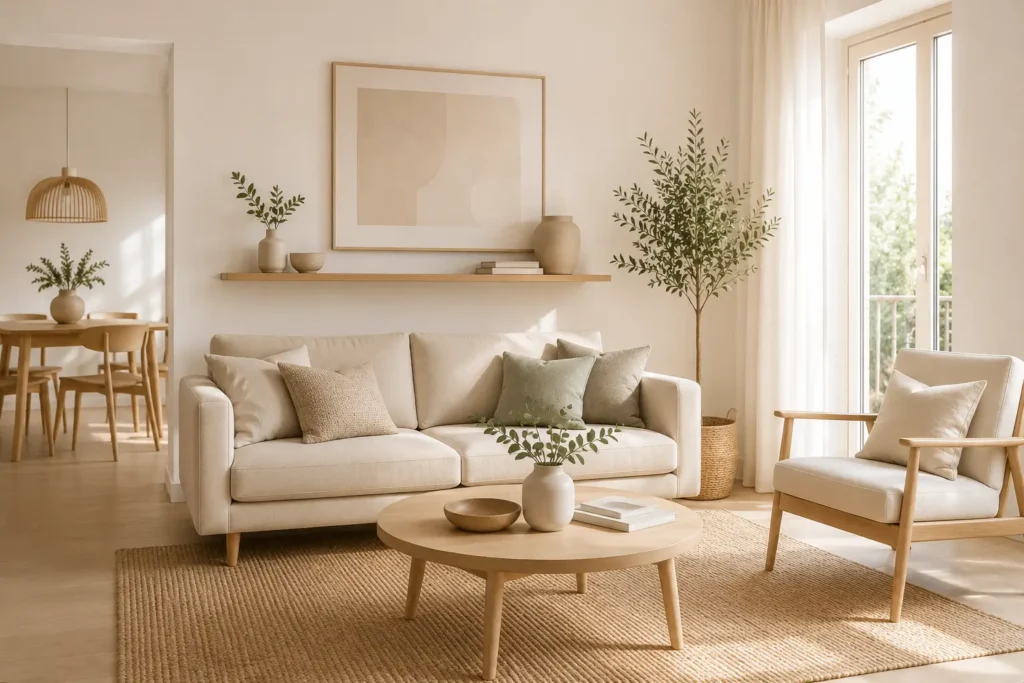
Interior design trends come and go, but a rental property should remain appealing for years to come. Neutral colours are the best way to achieve this.
Shades such as white, beige, soft grey, and sand tones help to:
- Make spaces feel brighter.
- Create the impression of more space.
- Make future décor updates easier.
- Appeal to a wider range of guests.
You can always introduce bolder colours through cushions, artwork, vases, or soft furnishings, which are easy to replace whenever you want to refresh the look.
7. Lighting Is Part of Functionality Too
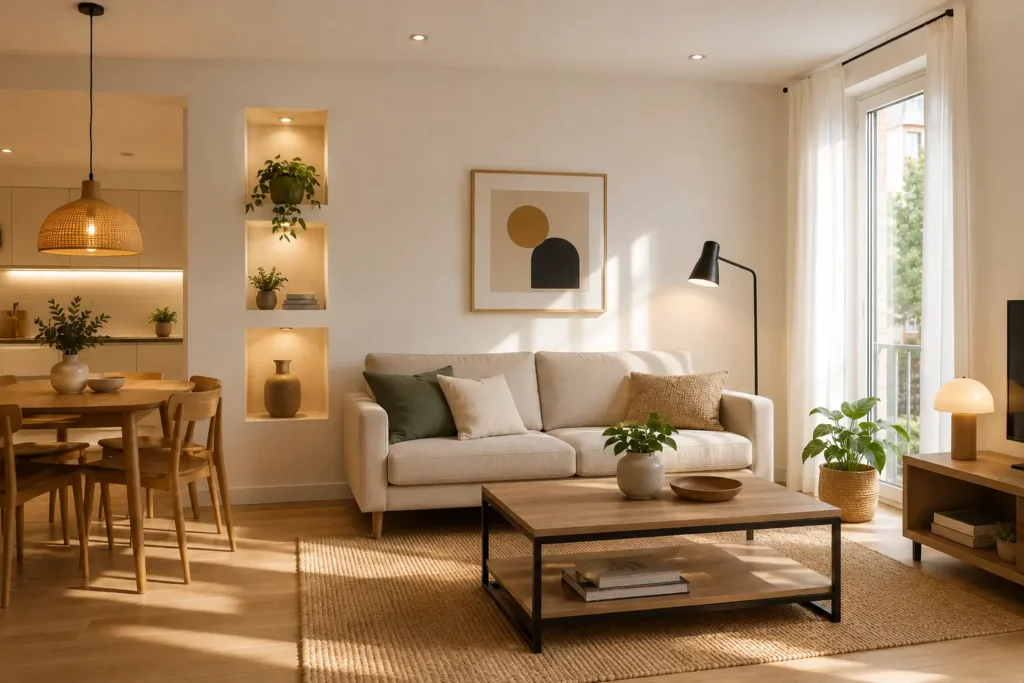
Good lighting enhances both the appearance and everyday usability of a home.
The ideal approach is to combine different types of lighting:
- Ambient lighting for the entire room.
- Task lighting for reading or working.
- Accent lighting to create a warm, welcoming atmosphere.
Whenever possible, maximise natural light by avoiding heavy curtains or furniture that blocks the windows.
8. Smart Storage and Organisation
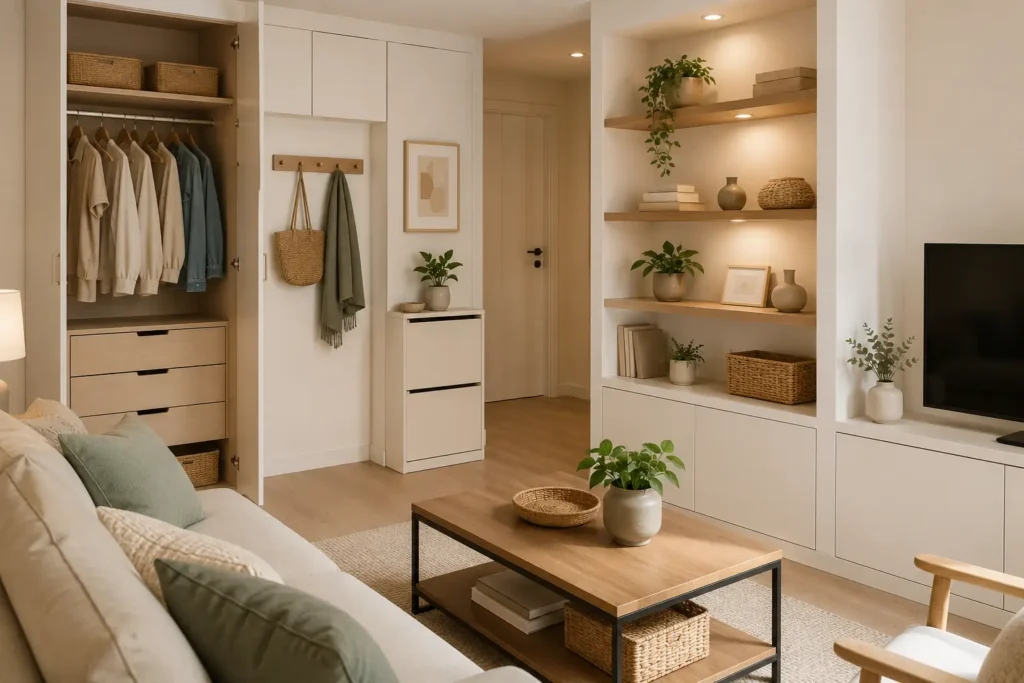
One of the features guests value most is having enough storage space. A well-organised home creates a sense of cleanliness, spaciousness, and comfort.
Some practical storage solutions include:
- Well-organised wardrobes.
- Drawer organisers.
- Coat racks.
- Slim shoe cabinets.
- Decorative baskets.
- Open shelving combined with closed storage units.
The easier it is to keep everything organised, the better the overall guest experience will be.
9. Decorate Without Overcrowding Your Space
It’s easy to think that a home needs lots of decorative items to feel warm and inviting. In reality, the opposite is often true.
Uncluttered spaces tend to feel:
- More modern.
- Brighter.
- More spacious.
- Cleaner.
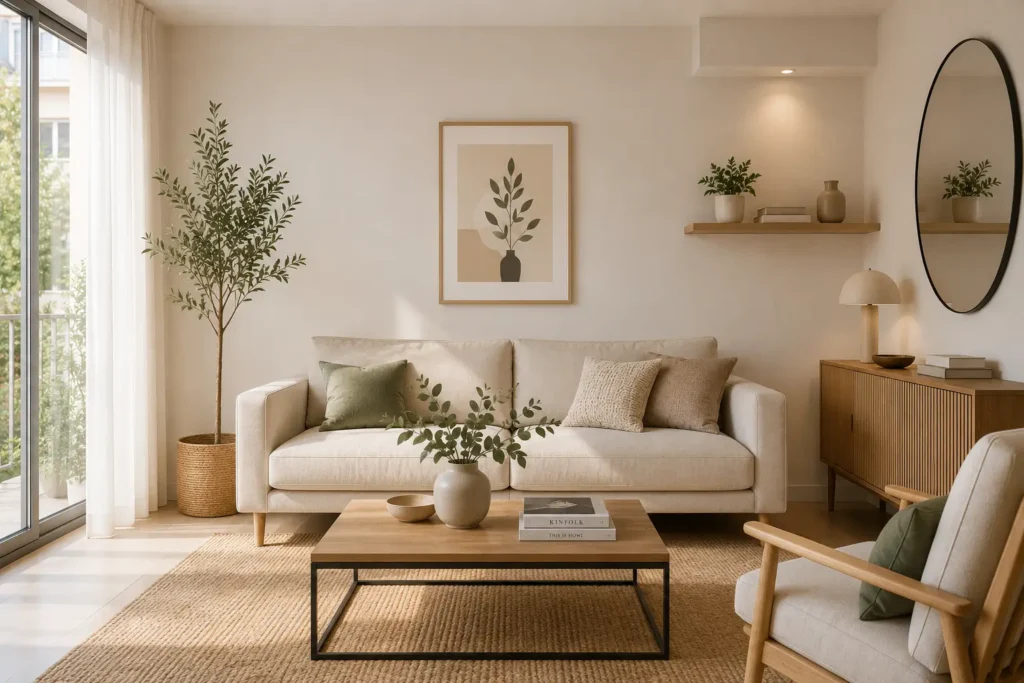
It’s better to choose a few carefully selected decorative pieces than to fill the space with too many. Some timeless options include:
- Houseplants.
- Framed artwork.
- Mirrors.
- High-quality textiles.
- Handcrafted ceramics.
- Coffee table books.
10. Add Personality with Small Details
A neutral interior doesn’t have to feel impersonal. Small decorative touches can add character without making the property harder to maintain. For example:
- Photographs of the city.
- Local artwork.
- Textured cushions.
- Decorative throws.
- Minimalist vases.
- Handcrafted accessories.
These details help give the property its own unique character without overwhelming the space.
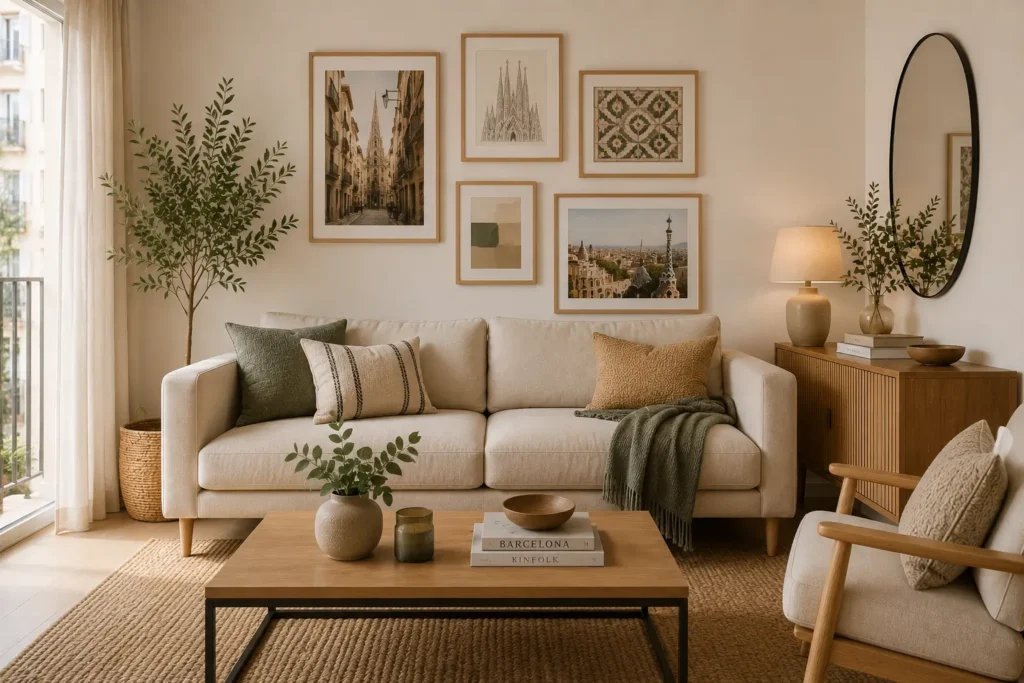
11. Common Decorating Mistakes to Avoid
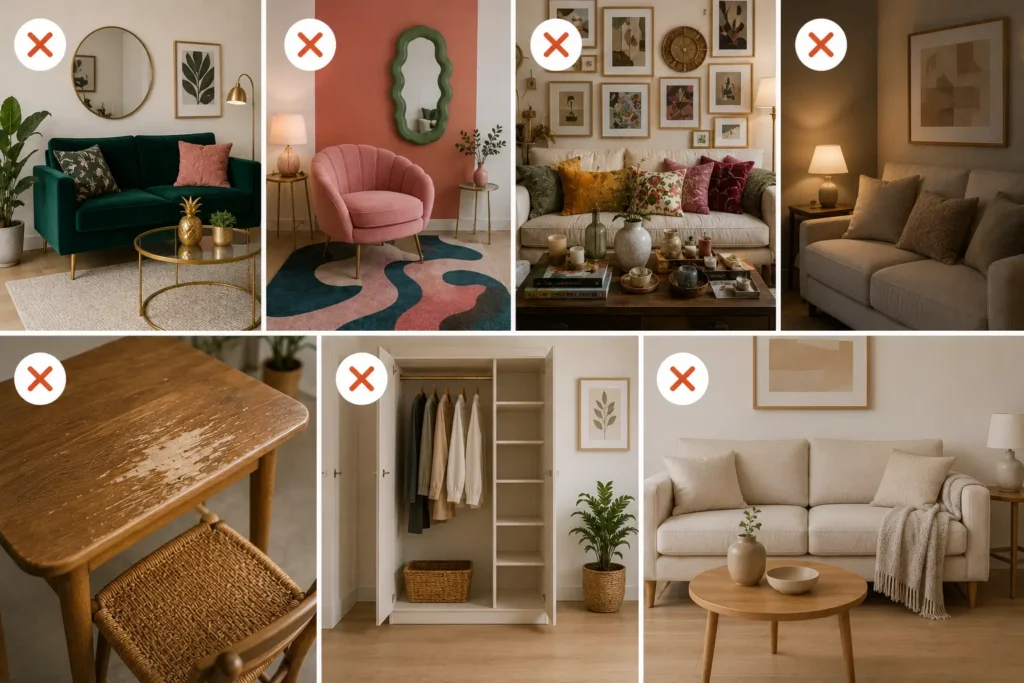
When decorating a rental property, there are a few common mistakes worth avoiding:
- Choosing furniture based solely on its appearance.
- Following short-lived trends.
- Overcrowding rooms with too many decorative items.
- Neglecting the lighting.
- Choosing materials that are not durable enough.
- Failing to provide enough storage space.
- Prioritising appearance over comfort.
Avoiding these mistakes will help you create rental properties that are more durable, functional, and highly rated by guests.
12. Conclusion
Functional interior design shows that you do not have to choose between an attractive home and a practical one. Both qualities can work together when every design decision serves a clear purpose.
For property owners, investing in a functional, timeless, and durable design is a smart decision. It not only improves the guest experience but also makes day-to-day maintenance easier and helps keep the property in better condition for longer.
Ultimately, the most successful spaces are those that strike the right balance between style, comfort, organisation, and practicality, creating rental properties that are more appealing, efficient, and profitable.
Enjoyed this article? Discover more useful advice on our Property Owners’ Blog. You can also get in touch with our team to find out how we can help you!