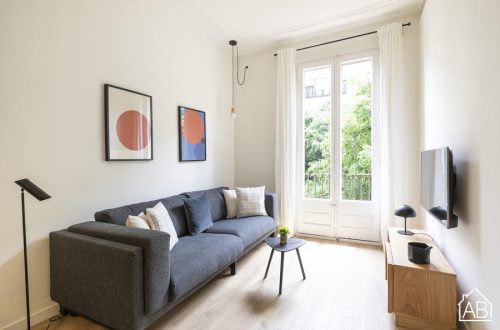

If you own an apartment in Barcelona, you’ve probably asked yourself the big question: which is more worthwhile nowadays, renting to a long-term tenant or entering the holiday rental market?
In 2026, the short answer is that there is no one-size-fits-all solution. The decision no longer depends solely on how much money you can earn each month, but also on how much work you’re willing to take on, what the law allows and how much risk you’re prepared to accept.
To help you weigh up your options, let’s break down both approaches based on the current rental market in the Catalan capital.
Table of Contents
1. Long-term rentals: stability and predictability
Long-term rentals, intended as a tenant’s main residence, allow property owners to receive regular income through rental agreements that provide greater continuity.
Main advantages:
- Stable income: You know exactly how much you’ll receive each month, making long-term financial planning much easier.
- Lower tenant turnover: Without tenants constantly moving in and out, you avoid the hassle of frequent arrivals and departures.
- Lower operating costs: Cleaning, minor repairs and day-to-day management costs are considerably lower.
- Greater continuity: It’s an ideal option if your main priority is peace of mind and avoiding unexpected complications.
However, there are also some drawbacks. You won’t be able to use the property while the tenancy agreement is in force, and you’ll need to comply with legal requirements concerning contract duration, rent adjustments and tenancy termination.
Furthermore, as Barcelona is officially designated a stressed residential rental market area, rents under new agreements are subject to legal limits that depend on the circumstances of the property and its owner.

2. Holiday rentals: income potential and active management
Holiday rentals involve offering accommodation to travellers for short stays, provided that the property meets the relevant legal requirements.
One of their clearest advantages is the ability to adjust nightly rates according to demand, the time of year or major events taking place in the city.
Main advantages:
- Variable income: You can increase nightly rates during periods of high visitor demand.
- Commercial flexibility: You can adjust prices and your booking strategy as market conditions change.
- More frequent property inspections: With guests regularly arriving and departing, it’s easier to check the property’s condition more often.
- Professional management: By hiring specialists, you can leave guest communication, bookings and cleaning in their hands.
On the other hand, earnings fluctuate depending on occupancy, and day-to-day operating costs are considerably higher. Expenses such as cleaning, utilities, booking platform commissions and maintenance can significantly reduce your profit margin.
Important: In Barcelona, this rental model is entirely dependent on decisions made by the City Council. The municipal decision not to renew tourist rental licences remains in place, with their expiry scheduled for November 2028.

3. Which rental option offers better returns?
To compare both options, it’s not enough to look at how much you could charge per month or per night. What really matters is calculating net rental returns after deducting the expenses associated with each option.
| Aspect | Long-term rentals | Holiday rentals |
|---|---|---|
| Income | Stable | Variable |
| Occupancy | Continuous | Depends on demand |
| Management | Less time-consuming | More time-consuming |
| Operating costs | Generally lower | Generally higher |
| Returns | More predictable | Potentially higher, but variable |
| Regulations | Residential tenancy regulations | Tourist licence and holiday rental regulations |
For example, a holiday apartment may generate higher gross revenue during certain months, but it also requires more resources to keep it operating.
That’s why, before making a decision, it’s worth preparing an annual financial forecast that takes into account occupancy, expenses, taxes and potential periods without rental income.
4. Rental regulations in Barcelona in 2026
The legal framework is probably the most important factor to consider before choosing a rental model.
- If you choose a main residence tenancy, you must comply with the Spanish Urban Leases Act (LAU) and the rent caps established for stressed rental market areas.
- If you prefer holiday rentals, you must hold a valid tourist rental licence and comply with the city’s urban planning regulations.
It’s also important to distinguish these two options from temporary rentals, which are intended to meet specific short-term accommodation needs, such as those of students or professionals temporarily relocating for work.
Since January 2026, Catalonia has tightened the rules governing these agreements. Landlords must now provide documentation proving the reason for the temporary stay and, in many cases within stressed rental market areas, must also comply with the rent caps applicable to main residence tenancies.
In other words, simply setting a short contract duration is no longer enough: the rental arrangement must genuinely reflect how the property will be used.

5. What should you consider before deciding?
Not all property owners have the same goals or needs. To find the most suitable option, it’s worth considering the following factors:
- Location: The neighbourhood where your property is located and the type of local rental demand will influence how much you can earn.
- Property characteristics: The size, furnishings and overall condition of the apartment all affect its appeal to potential tenants or guests.
- Financial goals: Consider whether you’d prefer a fixed monthly income or are willing to take on more risk in the hope of earning higher returns.
- Management time: Some rental models require constant attention or regular coordination with professional service providers.
- Legal situation: Check which licences your property holds and what uses are currently permitted under the law.

6. Which option is better in 2026?
The answer depends on your property and what you want to achieve as an owner.
Long-term rentals are generally the better option for those seeking peace of mind, predictable income and fewer day-to-day responsibilities. Meanwhile, holiday rentals can still offer attractive returns for properties that already hold a valid licence, although they require more dedication and careful attention to the regulatory changes Barcelona faces over the coming years.
Before making your final decision, the most sensible approach is to calculate your actual net rental returns, review the legislation first-hand and consider your medium- and long-term plans for the property.
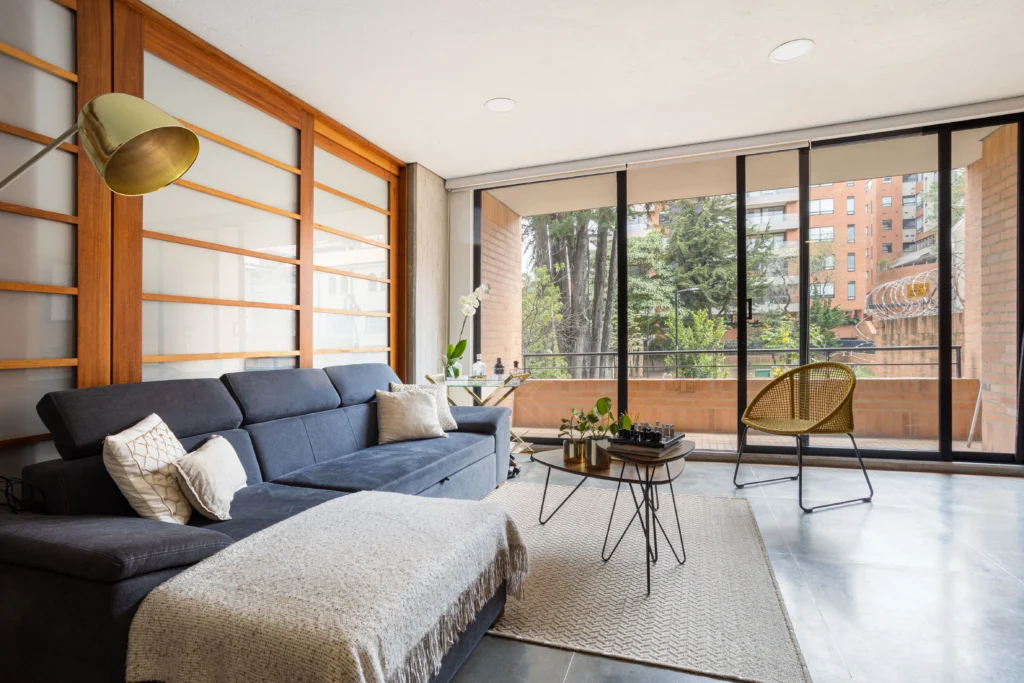
At AB Apartment Barcelona, we know that every property is different. Getting professional advice will help you assess your property’s options and develop a profitable rental strategy that is secure and fully adapted to current legislation.
If you found this article useful, take a look at our Property Owners Blog. And if you’re a property owner looking for advice, don’t hesitate to get in touch with us. We’d be delighted to help!