Guest profiles have evolved over the years. In 2026, it’s no longer enough to have a well-located or visually appealing apartment. Travelers compare more, have clearer expectations, and value aspects that directly impact their experience. Understanding these priorities is key to improving occupancy rates and increasing profitability.
Article Contents
1. A seamless experience from the very first moment
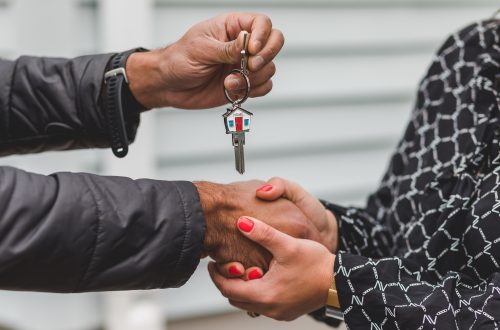
The check-in process marks the beginning of the guest experience, and its simplicity is more valued than ever. Travelers look for autonomy, speed, and clarity. Digital access systems help reduce uncertainty and improve the guest’s perception from the very first interaction with the property.
A poor start can shape the entire stay, while a smooth process builds trust. That’s why simplifying this moment and anticipating potential questions is key to delivering a more positive experience.
In practice, this means working with well-defined processes and solutions that allow guests to access the property without friction—something more and more owners are choosing to delegate to specialized property managers.

2. True comfort and functional spaces
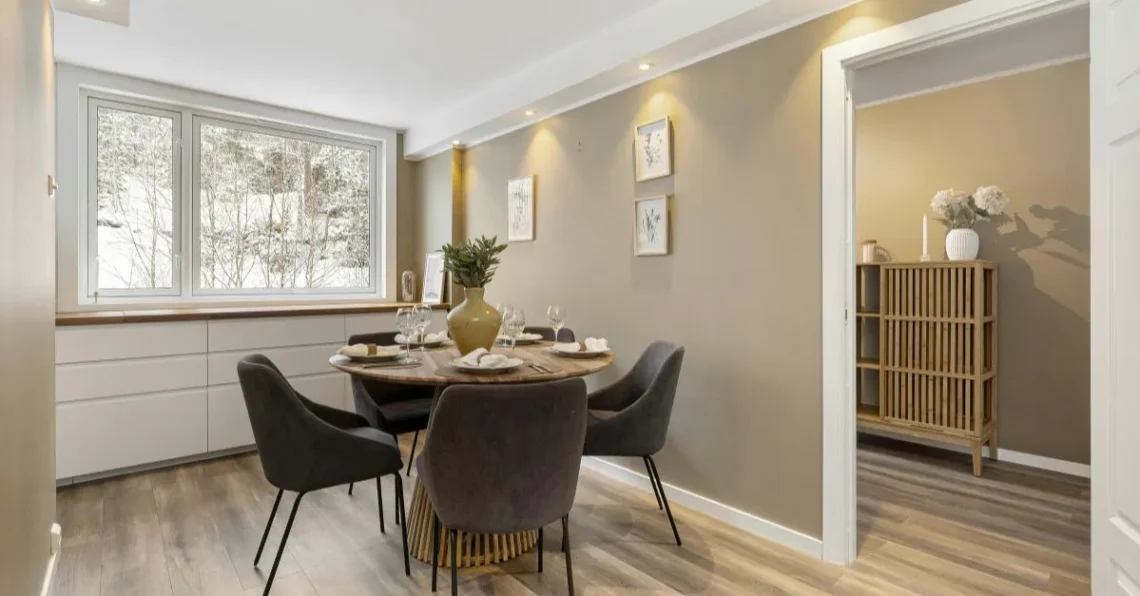
One of the biggest shifts is the growing focus on functionality. Guests are no longer guided by aesthetics alone, but by the practical use of space. An apartment may look great in photos, but if it’s not comfortable for everyday living, the overall experience suffers. Layout and clearly defined areas are becoming increasingly important.
In addition, the rise of remote work has introduced new requirements. A clear example is the need for a dedicated workspace, even if it’s small. The comfort of furniture also directly impacts how guests perceive the property, so items like chairs, sofas, and beds should prioritize real usability over purely decorative appeal.
This is where a more professional approach adds value, helping to optimize space with small adjustments that have a direct impact on the guest experience.

3. Reliable technology and seamless connectivity
Connectivity is now a basic requirement. WiFi is no longer seen as just an included service, but as an essential tool, since many guests rely on a stable connection to work and stay in touch. As a result, any technical issue can negatively impact the experience from the very beginning.
Beyond speed, ease of access and clear instructions are also highly valued. A reliable connection that is easy to use conveys professionalism and prevents unnecessary frustration. In this sense, investing in solid technological infrastructure is one of the most cost-effective decisions in the medium term.
Ensuring these standards requires ongoing and proactive management, especially in apartments with a high turnover of guests.

4. Cleanliness, maintenance, and a sense of care
Cleanliness remains one of the most sensitive factors for guests, and in 2026 it matters more than ever. It’s not just about the apartment being clean, but about conveying a sense of care and consistent maintenance. Details such as the condition of textiles and even smells can directly influence the final rating.
A well-maintained apartment improves the overall perception of quality. On the other hand, small signs of wear and tear can create a negative impression, even if the property is technically clean. The key is to regularly check the condition of the property and address issues before they become noticeable.
Maintaining this level of consistency usually requires efficient coordination of teams and regular inspections, something that is difficult to sustain without a structured management approach.

5. Added value: communication, context, and local experience
Beyond the physical space, guests increasingly value everything surrounding their stay. Pre-arrival communication and communication during the booking process play a key role, helping to anticipate questions and ensure a smoother experience.
At the same time, location still matters, but so does the context. Knowing what’s nearby, how to get around, and what to expect from the neighborhood helps set the right expectations. On top of that, there is a growing trend: the search for more authentic experiences. Local recommendations, thoughtful details, and a more genuine connection with the city add a distinctive value that increasingly influences booking decisions.
When managed properly, this type of support not only enhances the guest experience, but also has a direct impact on reviews and repeat bookings.

In this context, the apartments that perform best are not necessarily the newest or the most expensive, but those that best adapt to today’s guest needs. Adjusting a property to these new expectations doesn’t require major investments, but rather a different way of approaching hospitality: more focused on experience and functionality.
At AB Apartment Barcelona, we apply this approach in the day-to-day management of properties, helping owners adapt to these new market demands in an efficient and sustainable way.
If you found this article useful, take a look at our owners’ blog. And if you’re a property owner looking for advice, feel free to get in touch with us. We’ll be happy to help!