The winter season is one of the most demanding times for an apartment. Falling temperatures, increased use of heating, less ventilation and higher humidity put the condition of the property to the test. Carrying out a preventive inspection before the cold weather arrives helps avoid incidents, unnecessary costs and inconvenience for the tenant.
Article contents
- Heating and hot water
- Window and door insulation
- Ventilation and humidity control
- Plumbing and drains
- Frequently used appliances
- Doors and locks
- Electrical installation
- Details that add value
1. Heating and hot water
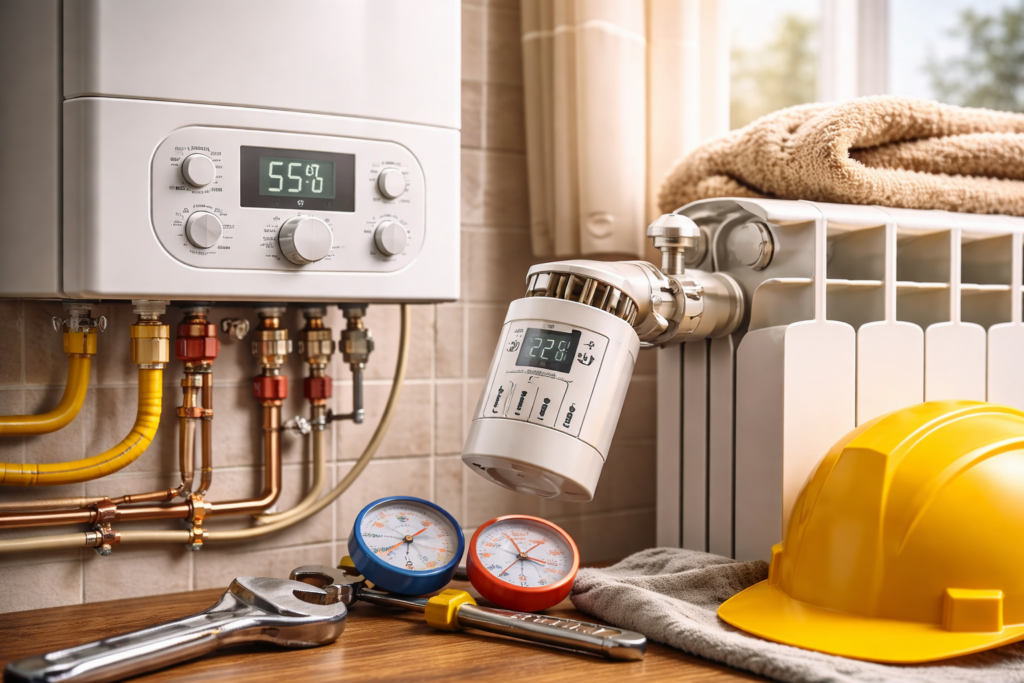
This is the main source of issues in winter and one of the most sensitive aspects for tenants. It is advisable to check that the boiler is working properly, that the pressure is within the recommended range and that no error messages appear on the display. If the boiler is old, it is especially recommended to carry out a technical inspection before winter to avoid breakdowns at the worst possible time. It is also important to bleed radiators so they heat evenly, as well as check thermostats and programmers.
A poorly functioning heating system not only generates complaints, it also increases energy consumption and accelerates equipment wear. Make sure you check the following key points:
- Boiler pressure within recommended levels
- Radiators bled and free from cold spots
- Thermostats and programmers correctly set
- Correct on and off operation
2. Window and door insulation
Poor insulation is one of the main causes of thermal discomfort and excessive consumption during the colder months.
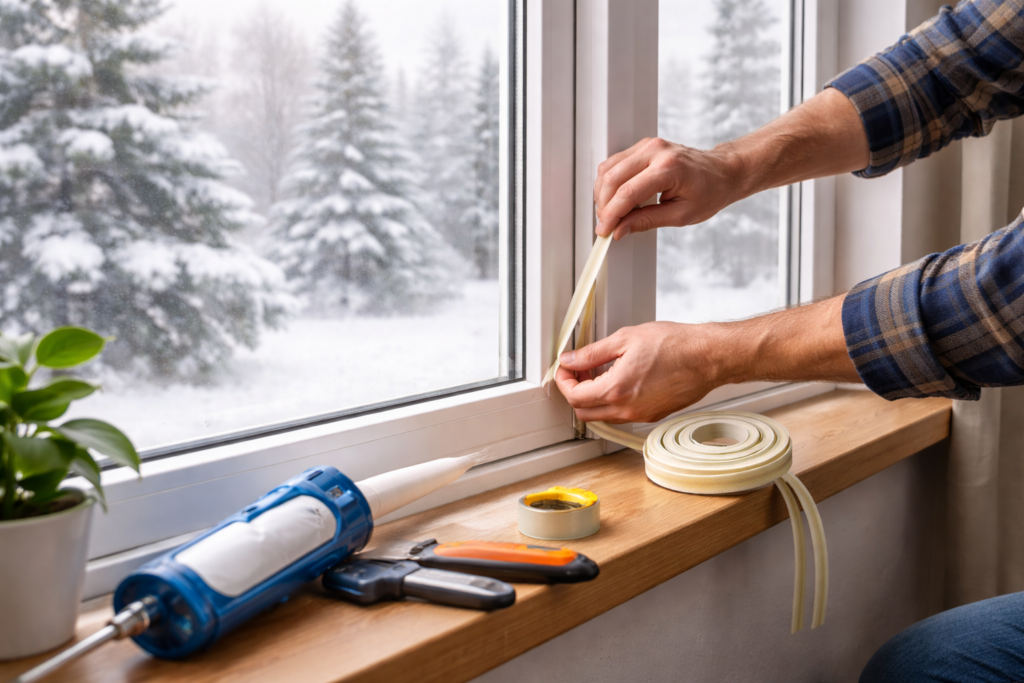
One of the most common causes of excessive energy use is heat loss through poorly sealed windows and doors. This also creates a feeling of cold and draughts, so it is important to check the condition of seals, closures and frames.
Good insulation helps maintain a stable indoor temperature, reduces the need for heating and improves the overall perception of the property. Small, timely interventions can make a big difference.
3. Ventilation and humidity control
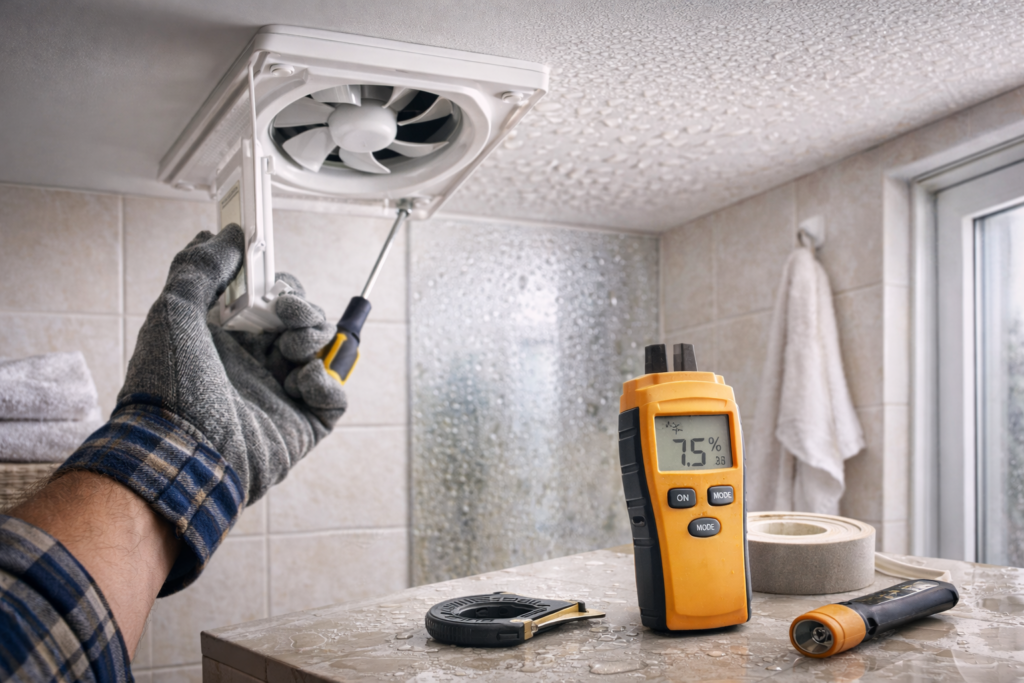
During the coldest months, ventilation is often reduced, leading to condensation and damp, especially in bathrooms and kitchens. To keep this under control, it is advisable to check that extractor fans are working properly and that there are no signs of damp on ceilings or walls.
Pay special attention to the following elements:
- Ventilation grilles free from obstructions
- Bathroom and kitchen extractors in working order
- Excessive condensation on windows over several consecutive days
- Persistent odours in enclosed areas
Identifying and addressing these issues proactively helps prevent structural damage, unpleasant smells and complaints. Proper ventilation is key to keeping the apartment in good condition all year round.
4. Plumbing and drains
Low temperatures can worsen minor issues that often go unnoticed during the rest of the year.
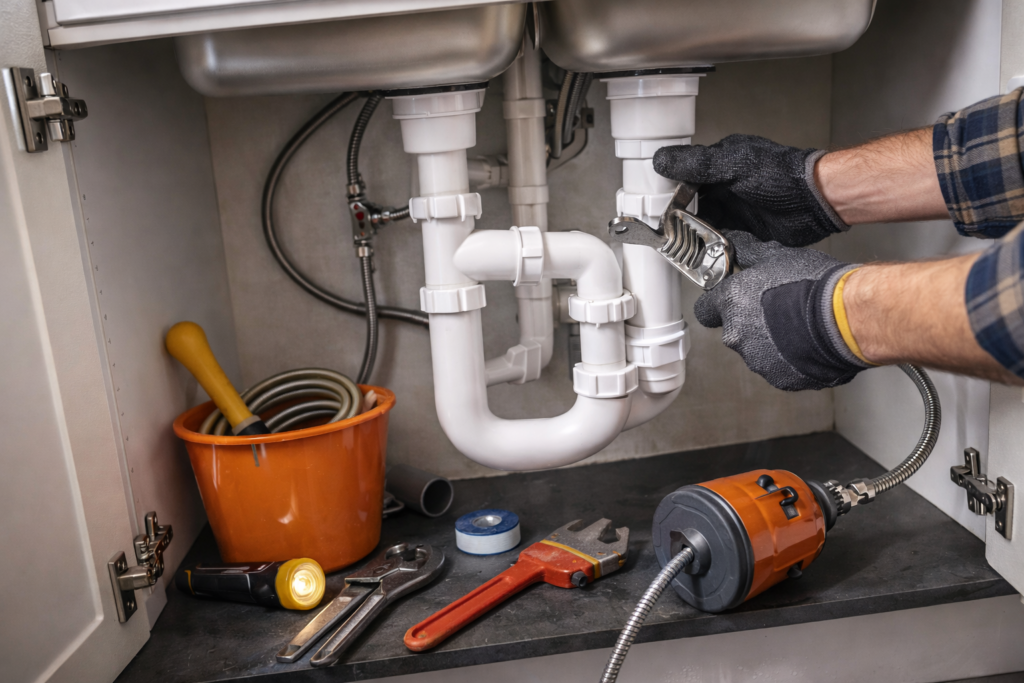
For this reason, we recommend checking taps, traps and drains to ensure there are no leaks, blockages or drips. If slow drainage or water leaks are not addressed in time, they can turn into a more serious issue precisely when usage is at its highest.
5. Frequently used appliances
During winter, certain appliances are used more intensively and should be checked to ensure they are working correctly.
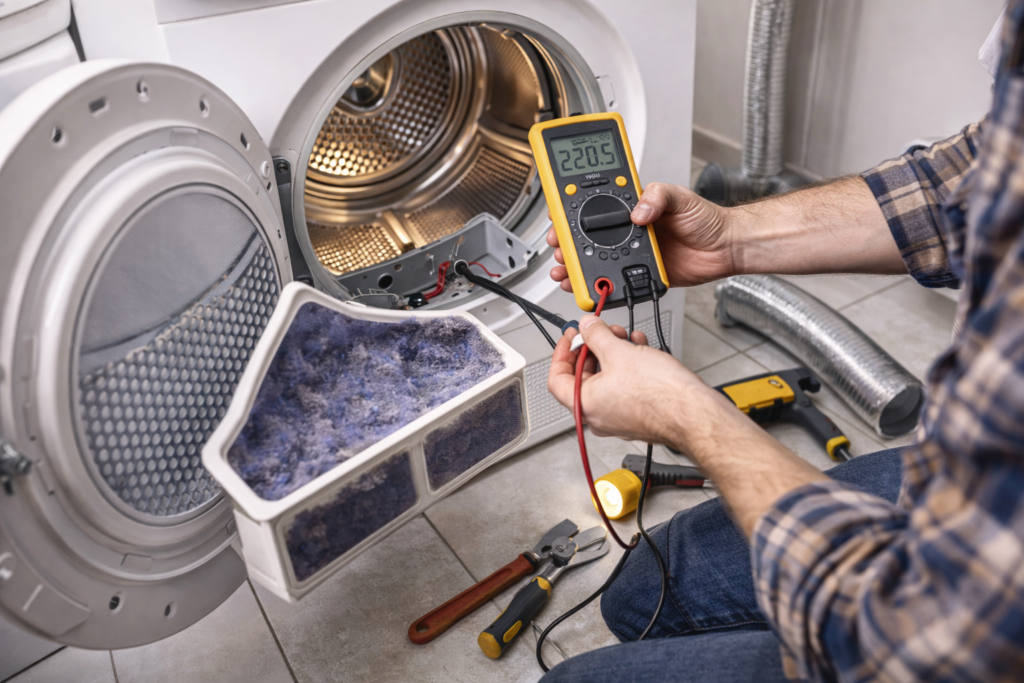
Items such as the water heater, dishwasher or tumble dryer should be inspected to detect unusual noises, water leaks or performance issues. A small preventive adjustment can help avoid an incident during the stay.
6. Doors and locks
A faulty closing mechanism can quickly become a constant source of discomfort and access issues.
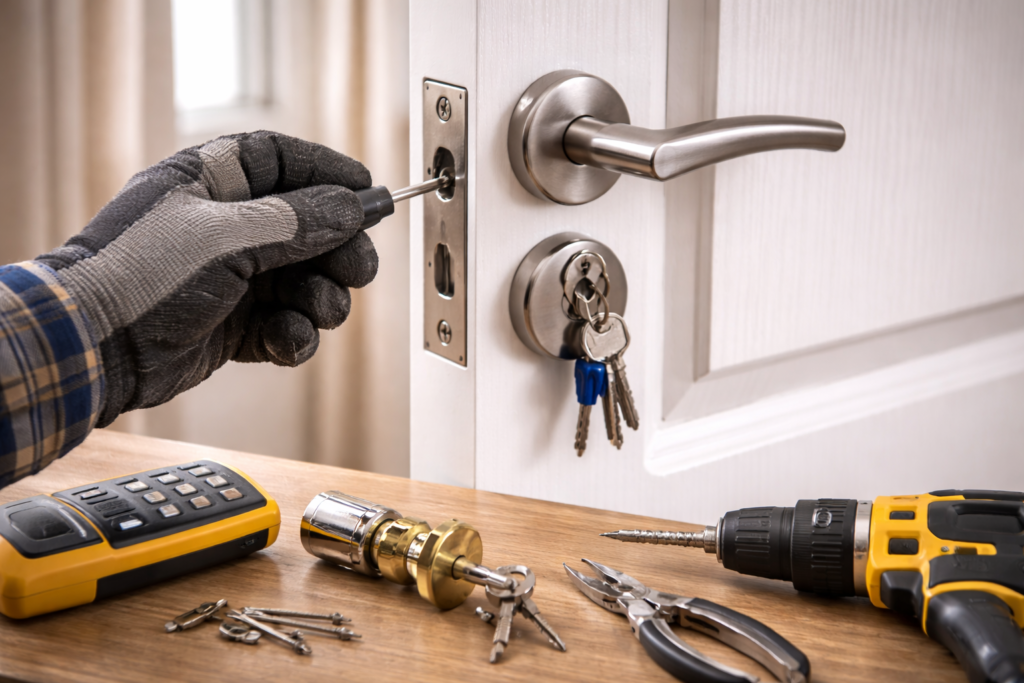
Entrance and balcony doors should close properly and without difficulty. Check locks and closing systems to prevent draughts, security issues and access problems. In months such as January and February, a poorly fitting door can seriously affect tenant comfort.
7. Electrical installation
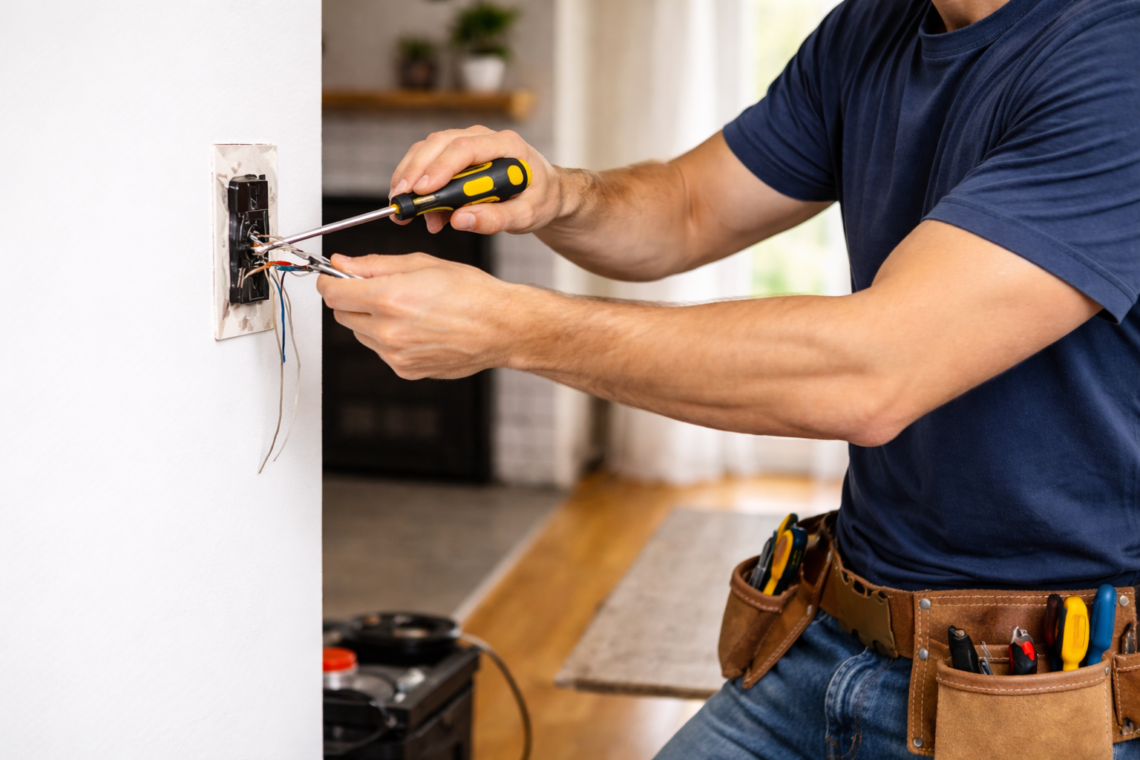
The increase in electricity consumption during winter makes it essential to review the most sensitive points of the installation.
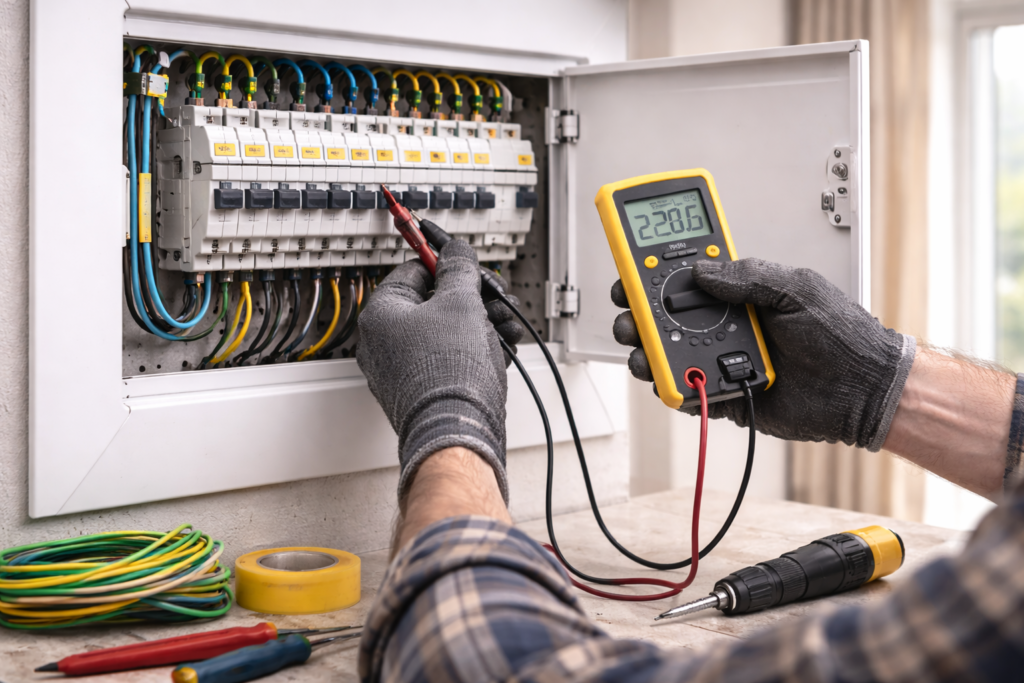
Continuous use of heating and portable heaters increases the electrical load, so it is important to check sockets, extension leads and the electrical panel to avoid overloads or power cuts.
- Condition of sockets and frequently used outlets
- Accessible electrical panel with clear labelling
- Correct operation of residual current devices and circuit breakers
It is also advisable to check for loose or damaged sockets, especially in high-use areas.
8. Details that add value
Not all maintenance is technical. Small details directly influence how the apartment is perceived during winter.
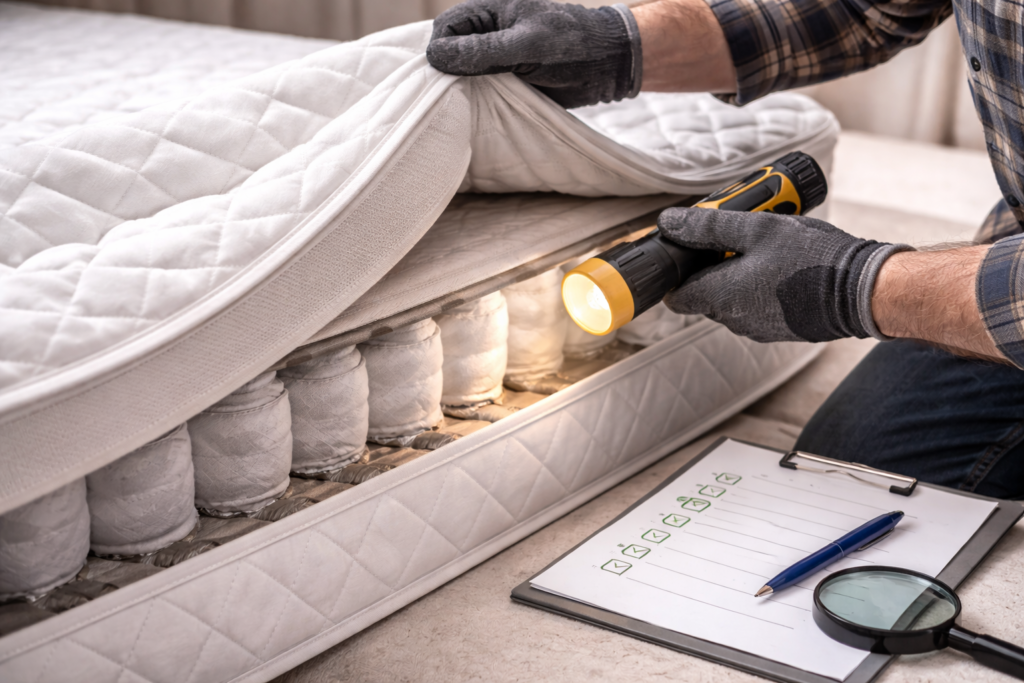
Checking the condition of curtains, lighting, mattresses and bed linen helps improve the tenant experience. These elements rarely cause incidents, but they do have a direct impact on satisfaction and post-stay reviews.
Preventive maintenance is a smart investment. Anticipating issues allows you to act calmly, reduce costs in the medium term and provide a more carefully managed experience during the most demanding months of the year.
If you found this article useful, visit our Owners’ Blog to read more. If you are a property owner and would like to receive information or advice from our team, do not hesitate to get in touch with us. We will be happy to help.