Damp is one of those problems that can easily go unnoticed until stains start appearing on the walls, condensation builds up on windows or musty smells develop. In a rental property, damp can not only make life uncomfortable for tenants but also cause damage that requires repairs.
In a city like Barcelona, it’s worth bearing in mind that proximity to the sea and local weather conditions can contribute to damp problems. The good news is that many of these issues can be prevented with a few simple improvements and regular maintenance.
If you own a rental apartment and want to prevent damp from damaging your property, we’ll explain how to identify the causes, which solutions are effective and when it’s best to call in a professional.
Table of Contents
1. Identify the type of damp affecting your property
Before looking for solutions, it’s important to identify the source of the damp. Not all damp patches have the same cause, and using the wrong treatment can lead to the problem recurring.
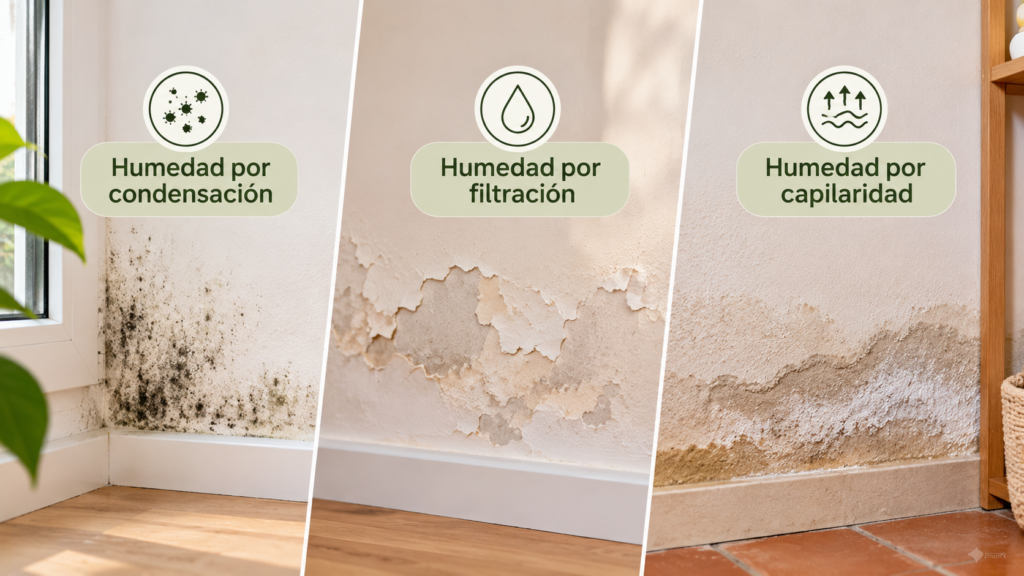
The three most common types of damp in residential properties are:
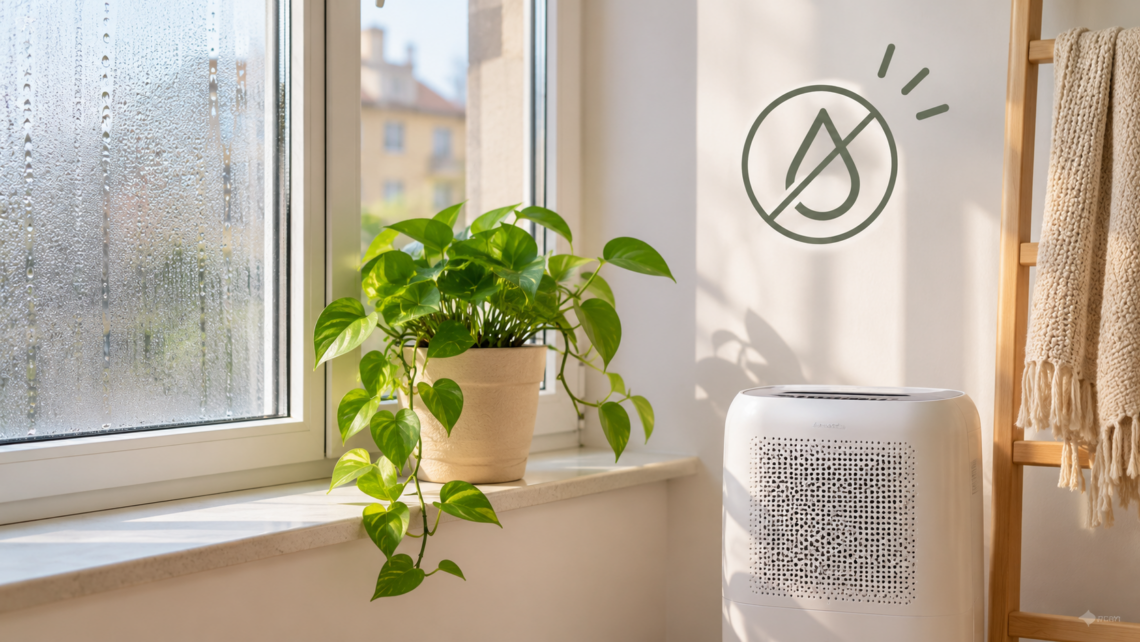
- Condensation: occurs when moisture in the air comes into contact with cold surfaces, such as windows or walls. It is particularly common in poorly ventilated bathrooms, bedrooms and kitchens.
- Penetrating damp: occurs when water enters the property from outside through cracks, external walls or poorly sealed windows. It often becomes more noticeable after periods of rainfall.
- Rising damp: mainly affects ground-floor properties and homes in direct contact with the ground. It occurs when moisture rises through building materials, potentially leaving damp patches on walls.
Identifying the root cause is essential. A dehumidifier can help manage condensation, but it won’t resolve water ingress through an external wall.
2. Improve ventilation to prevent moisture build-up
One of the easiest ways to reduce damp is to improve airflow throughout the property. When a property is kept closed up for long periods, particularly in winter, moisture released through everyday activities such as cooking, showering and drying clothes can build up indoors.
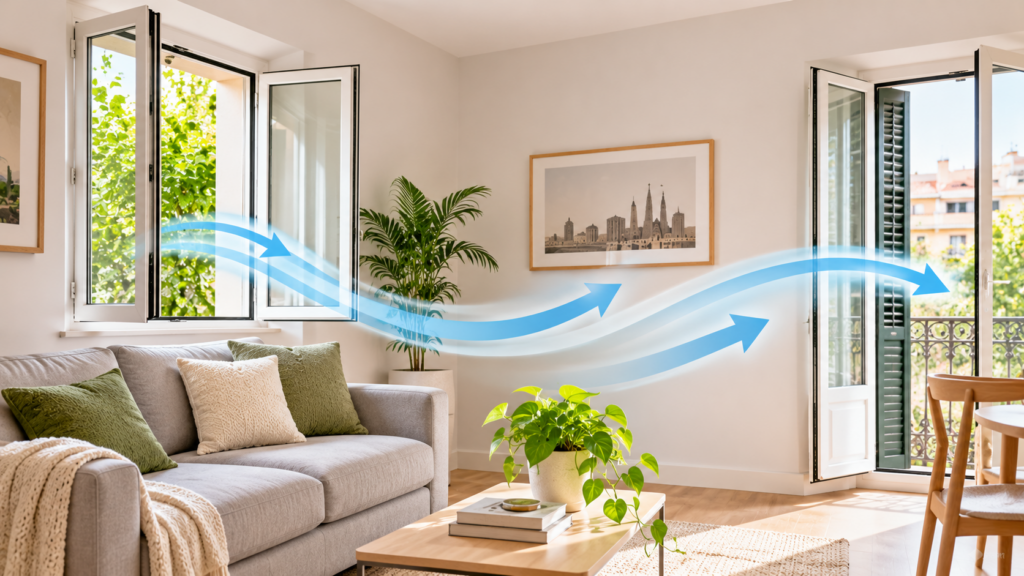
To prevent this, it’s a good idea to air out each room every day, even if only for a few minutes. Opening windows on opposite sides of the property creates cross-ventilation, allowing fresh air to circulate throughout the apartment.
It’s also worth checking that the extractor fans in the bathroom and kitchen are working properly. These systems are particularly important in apartments with limited natural ventilation or very few windows.
If you manage a holiday rental or a mid-term rental, consider including some ventilation tips in your property guide. Something as simple as reminding guests to use the extractor fan after showering can help prevent long-term damp problems.
3. Monitor indoor temperature and humidity levels
The indoor temperature plays a key role in the formation of condensation. When walls become too cold, moisture in the air can turn into small water droplets, creating conditions that encourage mould growth over time.
During the colder months, it’s therefore advisable to maintain a relatively consistent indoor temperature and avoid significant temperature differences between rooms.
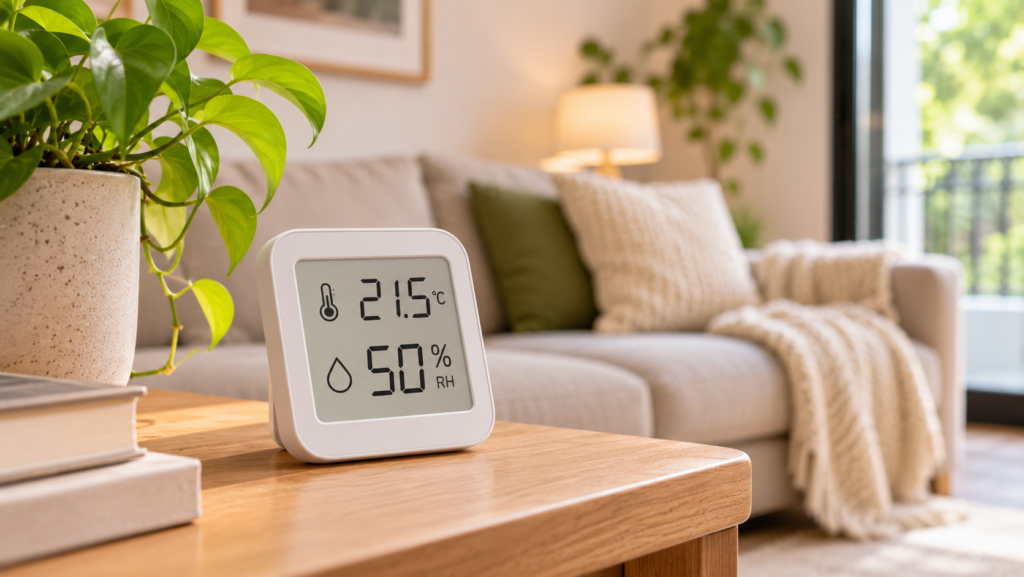
Another useful step is to invest in a hygrometer, an inexpensive device that measures the relative humidity of the air. As a general guide, keeping humidity levels between 40% and 60% can help maintain a comfortable indoor environment.
If humidity levels regularly exceed this range, a dehumidifier may be worth considering, particularly in poorly ventilated bedrooms or rooms overlooking internal courtyards.
It’s also worth checking the insulation around windows and other external openings. A well-insulated property reduces the number of cold surfaces, improving both tenant comfort and the property’s energy efficiency.
4. Carry out regular checks and preventative maintenance
Damp problems often start with minor issues that go unnoticed, such as worn sealant, a small leak in a pipe or a window that doesn’t close properly.
That’s why preventative maintenance is one of the best investments any landlord can make.
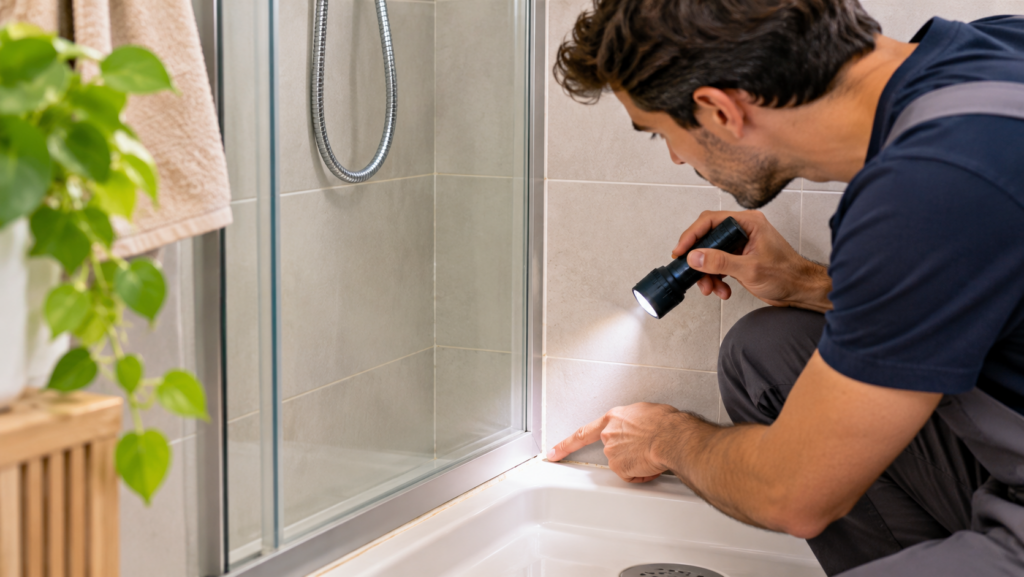
It’s a good idea to regularly check the sealant around showers and baths, taps, exposed pipework and appliance connections. You should also look for cracks or signs of damage around windows and balconies.
In Barcelona’s older buildings, where many apartments still retain original construction features, these checks can be particularly valuable in spotting potential issues before they become more serious.
If you notice persistent damp patches, bubbling paint or a musty smell that won’t go away, it’s best to arrange a professional inspection. Painting over an affected wall may temporarily improve its appearance, but it won’t address the underlying cause.
5. Protect your investment and improve your tenants’ experience
Keeping damp under control does more than protect the condition of your property. It also affects the comfort of those staying there and their overall impression of the apartment.
An apartment with musty smells, visible damp patches or condensation problems can lead to complaints, negative reviews and unexpected maintenance costs. A well-maintained property, on the other hand, inspires confidence and provides a much more enjoyable living experience.
For landlords offering holiday or mid-term rentals, it’s particularly important to check the condition of the apartment between stays and deal with any issues promptly.
Keeping a record of maintenance checks and responding to tenants’ concerns can also help identify potential problems before they spread to other areas of the property.

At AB Apartment Barcelona, we understand that keeping an apartment in excellent condition is essential to protecting its value and providing a high-quality rental experience. That’s why proactive property management, with a focus on maintenance and the individual needs of each apartment, can make all the difference.
Preventing damp is far easier and more cost-effective than repairing the damage it causes. With regular maintenance checks, proper ventilation and a few simple insulation improvements, you can keep your rental apartment in better condition all year round.
If you found this article helpful, take a look at our Blog for Property Owners. If you’d like some expert advice, don’t hesitate to get in touch with our team. We’ll be happy to help!