
Being a homeowner means taking on predictable expenses, such as property tax, community fees and home insurance. However, there are also unexpected costs that can arise without warning and affect your property’s profitability if they have not been factored in. While it is impossible to prevent every unforeseen expense, careful planning can help minimise the financial impact and keep your property in good condition over the long term.
Article Contents
Why is it important to plan for expenses?
Many property owners calculate the profitability of their home by considering only their income and regular expenses. However, a major breakdown or urgent repair can quickly disrupt that balance.
Planning ahead for these situations helps you:
- Avoid unexpected expenses.
- Keep your property in good condition.
- Protect the profitability of your investment.
- Improve the experience of tenants or guests.
- Reduce the risk of more serious issues in the future.
Having a financial buffer for unexpected situations provides peace of mind and makes property management much more efficient.

Most Common Unexpected Expenses
Plumbing Issues
Water leaks and problems with pipes, toilets or taps are among the most common issues in any property.
In many cases, a small leak detected early can be fixed quickly and inexpensively. However, when the problem goes unnoticed, it can lead to far more costly damage to walls, ceilings or other parts of the property.
Electrical Problems
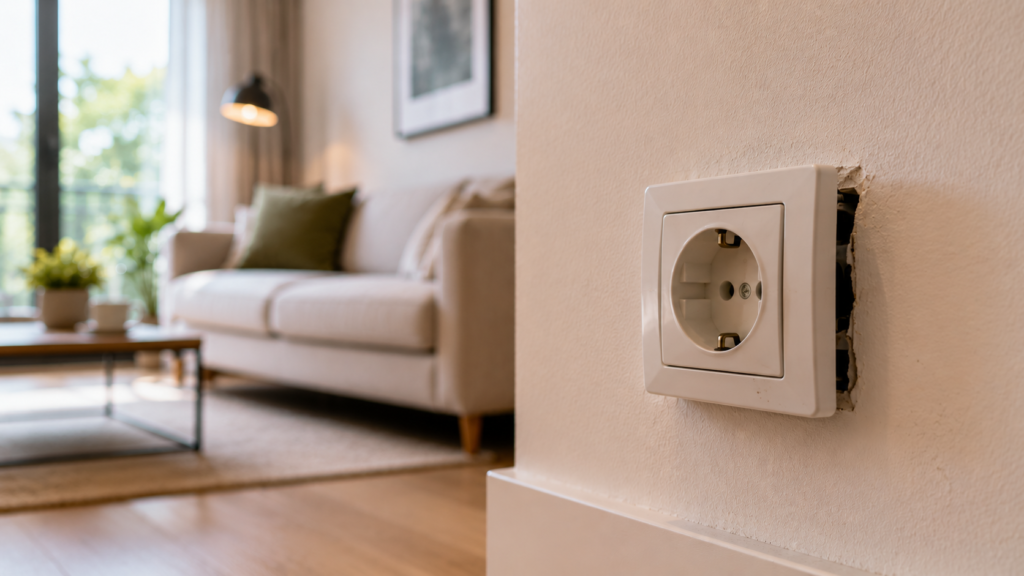
Electrical installations naturally experience wear and tear over time. Faulty switches or damaged sockets may require the assistance of a qualified electrician.
In addition, essential household appliances can also break down unexpectedly, resulting in additional costs for property owners.
Air Conditioning
Particularly in cities like Barcelona, having air conditioning is a highly valued feature for tenants and guests.
Breakdowns in air conditioning systems often require specialised repairs, which can become costly if regular maintenance checks are not carried out.
Wear and Tear on Furniture
Everyday use naturally causes wear and tear to mattresses, sofas, tables, chairs and other furnishings within the property. Although replacing these items is not usually considered an emergency, it is advisable to include such costs in your financial planning to ensure the property remains attractive and functional.
Damp and General Repairs
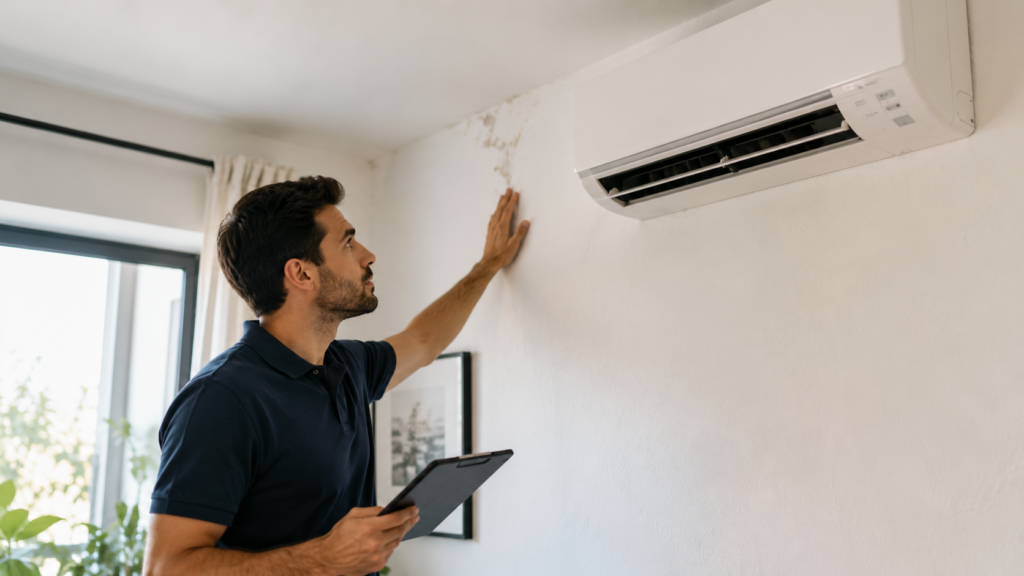
Over time, it is common for minor issues to arise involving paintwork, locks, blinds, seals or damp.
Addressing these problems quickly is often far more cost-effective than waiting until they worsen and require more extensive repairs.
Building an Emergency Fund
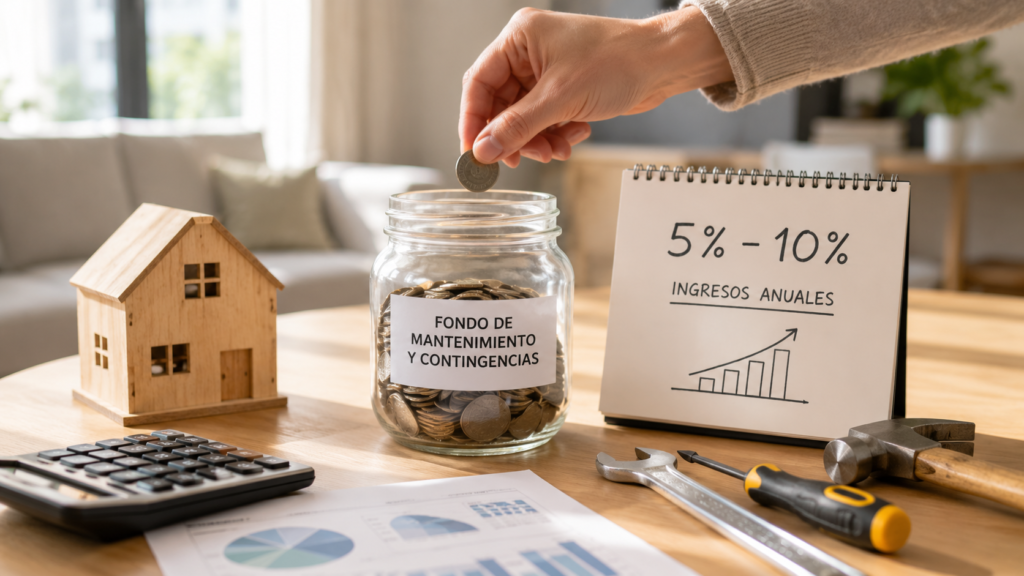
One of the best ways to protect the profitability of a property is to set aside a small portion of its income for future repairs and unexpected expenses.
Some experts recommend allocating between 5% and 10% of the property’s annual income to a maintenance and contingency fund.
Example: If a property generates €15,000 per year, setting aside between €750 and €1,500 can help cover unexpected repairs without significantly affecting its profitability.
The goal is not to spend more, but to plan more effectively.
Preventive Maintenance
Most major expenses do not appear overnight. In many cases, they are the result of small issues that go unnoticed for too long.
Carrying out regular inspections of key elements can help prevent more costly repairs in the future:
- Check the air conditioning system.
- Look for potential water leaks.
- Monitor the condition of household appliances.
- Replace worn or damaged items before they fail.
- Identify damp issues at an early stage.
Professional Property Management to Reduce Unexpected Costs
When a property is occupied on a regular basis, whether through short-term or mid-term rentals, it becomes much easier to identify potential issues before they develop into major problems.
Having professional property management ensures continuous monitoring of the property’s condition, coordination of repairs when required, and a fast response to any issues that arise. In addition to helping preserve the property, this ongoing oversight contributes to maintaining guest satisfaction and protecting the long-term value of the investment.

If you enjoyed this article, we invite you to explore more content on our Owners’ Blog. You can also get in touch with our team and find out how we can help you make the most of your property.